
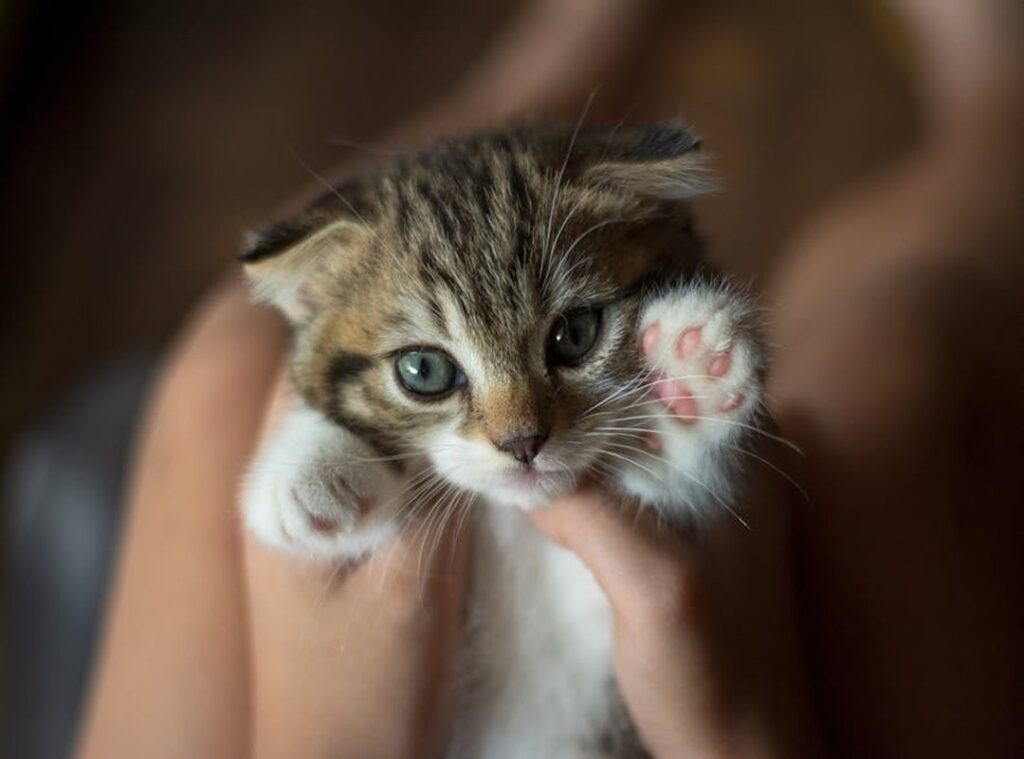
That first night with your kitten? You’re equal parts giddy and terrified.
Did you just make a huge mistake? Is that tiny squeak normal? Why won’t they sleep anywhere but on your keyboard?
I’ve raised 17 kittens. Not fostered. Not watched. Raised. From shaky newborns to full-on chaos agents.
Most advice online is either too vague or flat-out wrong. (Yes, even the vet blogs.)
This isn’t theory. It’s what works. Every time.
You’ll get a clear, step-by-step plan starting today. No guesswork. No panic at 2 a.m.
Everything from litter box setup to when to worry about that weird cough.
This is the only Infoguide for Kittens Llblogpet you’ll need.
I wrote it because I’m tired of seeing new owners stressed out over things that are actually simple.
You can do this.
And you will.
Step 1: Your House Isn’t Ready (Yet)
I set up the safe room before the kitten arrived. Not after. Not “when I get around to it.” Before.
Pet advice llblogpet 3 helped me nail the basics (but) I ignored half of it the first time. Learned that the hard way.
A safe room is just one quiet, small space. A bathroom or spare bedroom works. No big windows.
No heavy doors that slam. Just calm.
Put this in it:
- One litter box (low-sided for kittens)
- Unscented clumping litter (not clay (they’ll) eat it)
- Two shallow bowls (stainless steel, not plastic)
- Kitten food (not) adult food. Their stomachs aren’t built for it. – A carrier (leave it open with a blanket inside)
- One soft bed. That’s it.
Kitten-proofing isn’t optional. It’s day-one.
Tape down loose wires. Lilies kill cats (fast.) So do philodendron, pothos, and azaleas. Check under furniture for rubber bands, hair ties, string.
You think you’ve seen everything. You haven’t.
That tiny rubber band? Swallowed. That dangling curtain cord?
Strangulation risk. That half-unpacked moving box? Hiding spot (and) chew toy.
The Infoguide for Kittens Llblogpet says “take your time.” I say: move fast, but don’t skip steps.
Your kitten won’t care how cute the bed is. They’ll care if the floor is safe.
Start there.
The First 48 Hours: Less Panic, More Patience
I held my breath the whole car ride home with my first kitten.
You will too.
Cover the carrier with a light blanket. Not dark. Not heavy.
Just enough to muffle noise and signal this is safe. That one move cuts stress in half.
Once home, go straight to the safe room. No grand tour. No “meet the family.” Just quiet space.
A bed, food, water, litter box. All within three feet of each other.
Open the carrier door. Walk away. Let them come out when they want.
Hiding for 12 hours? Normal. Hiding for 36?
Still normal. Hiding for 48? Still okay (as) long as they’re eating and using the box.
Show them the litter box by placing them in it after meals. Not forcing. Just placing.
Then stepping back. Same with food (set) it down, leave, return in 15 minutes.
No petting on day one. No chasing. No lifting unless absolutely necessary.
Introduce people slowly. One person. Ten minutes.
Calm voice. No sudden moves. Other pets?
Not yet. Not even a sniff under the door.
This isn’t about control. It’s about trust building at their speed.
The Infoguide for Kittens Llblogpet spells this out clearly. But no guide replaces watching your kitten’s eyes relax for the first time.
You’ll know when it clicks. They’ll walk toward you. Not away.
Step 3: Feed Right (Not) Just Often

I feed kittens. Not pets. Kittens.
Wet food has water. Dry food does not. That’s the core difference.
Wet food helps hydration (key) when their little kidneys are still learning the job. Dry food helps scrape plaque (a little), but don’t overrate it. Their teeth aren’t built for crunching kibble all day.
I mix both. Morning and night: wet. Midday: dry.
Kittens need more protein, more fat, more calories. Adult food won’t cut it. Their growth isn’t optional.
Simple. Effective. You’ll see fewer urinary crystals and less tartar buildup than with dry-only feeding.
It’s urgent. Skipping kitten-formulated food is like giving a toddler skim milk instead of whole.
At 8 (12) weeks? Feed 4 small meals. Every 4 hours.
Set alarms if you must. They burn energy faster than your phone battery. Skip a meal, and they get shaky.
I’ve seen it.
Water must be fresh. Changed daily. No exceptions.
A pet fountain works better than a bowl. Moving water grabs their attention (and yes, it’s weirdly effective).
Never give them onions. Chocolate. Grapes.
Or milk. (Yes, milk (their) guts shut down lactase after weaning.)
It’s not cute. It’s dangerous.
Need more on species-specific needs? The Infoguide for Birds Llblogpet covers hydration quirks across animals. Turns out parrots and kittens have shockingly similar pitfalls.
That guide helped me rethink how I set up water stations.
Vet Visits, Vaccines, and Real-Life Cat Safety
Get your kitten to a vet within seven days. Not next week. Not after you “settle in.” Within seven days.
I’ve seen too many kittens come in with worms or upper respiratory infections that were already brewing at the shelter or breeder. You won’t always see it. That’s why the first visit isn’t optional.
You’ll also get a vaccination plan. Not a stack of shots all at once. A real schedule.
They’ll check eyes, ears, heart, lungs, belly, and temperature. They’ll deworm (even) if the kitten looks fine. (Spoiler: they almost always have worms.)
FVRCP starts at 6. 8 weeks. Then again at 10 (12) weeks. And again at 14 (16) weeks.
I covered this topic over in this guide.
Rabies is usually at 12. 16 weeks. And it’s required by law in most places.
Don’t skip a round. Skipping means gaps. Gaps mean risk.
Litter box hygiene isn’t about being tidy. It’s about preventing litter aversion (which) leads to peeing on your couch. Scoop daily.
Place boxes in quiet, low-traffic spots. And yes. One box per cat, plus one extra.
No exceptions.
Play isn’t fluff. It’s brain wiring. Use wand toys.
Keep sessions short and frequent. Let them chase, pounce, and bite something safe.
Missed play = bored cat = shredded curtains or nighttime zoomies at 3 a.m.
You want straight talk, not guesswork.
That’s why I recommend the Infoguide for Kittens Llblogpet (it) walks through all this without the jargon.
You’ve Got This
I remember holding my first kitten. Hands shaking. Scared I’d drop her.
Scared I’d feed her wrong. Scared I’d miss something key.
You feel that too. Right now.
That fear of doing it wrong? It’s real. But it’s also over.
You just finished the Infoguide for Kittens Llblogpet. Not a vague blog post. Not a rushed checklist.
A real step-by-step plan (preparation,) health, bonding. Nothing extra. Just what works.
Kittens aren’t fragile glass. They’re resilient little beings who thrive on consistency and calm. You now know how to give them both.
So stop rehearsing worst-case scenarios.
Start watching her sleep curled in your lap.
Start noticing how she blinks slowly when she trusts you.
That bond isn’t waiting for you to be perfect. It’s already forming.
You don’t need more research. You need to open the door, let her explore, and sit slowly while she decides if your lap is safe.
The hardest part is behind you.
Now go get her favorite toy. Set up the carrier. Bring her home.
And breathe.
Your kitten is counting on you (not) to be flawless, but to show up.
Do it.
 As a dedicated helper in building Animal Potty Care, Bella MacCarthy brings her expertise in pet training and behavior management to the platform. Her hands-on experience with a variety of pets has equipped her with the skills to develop effective resources and solutions for pet owners. Bella plays a key role in curating content that helps pet owners navigate the challenges of potty training and behavioral issues, ensuring that the platform remains a valuable tool for improving the lives of pets and their owners.