

You just brought home a cat.
Or maybe you adopted one last week.
And now you’re drowning in advice.
Your aunt says dry food is fine. The pet store clerk insists on raw. That Reddit thread?
It’s arguing about whether cats need grain-free diets (they don’t).
I’ve seen this exact panic a thousand times.
Most cat care guides swing between cold textbook language and cheerful nonsense. Like “just love your cat and everything will be fine.”
No. That’s not helpful when your cat won’t use the litter box. Or when you’re staring at three different food labels at 9 p.m. wondering which one won’t give them diarrhea.
This isn’t theory. I’ve answered real questions from real people (thousands) of them. Every tip here lines up with what vets actually recommend.
Not trends. Not myths.
What matters is simple: food that works, litter habits that stick, stress signs you can spot early, and health checks that catch trouble before it spreads.
No jargon. No fluff. Just what you need to know.
And nothing more.
The Infoguide for Cats Llblogpet is the reference I hand to friends who ask, “Where do I even start?”
You’ll walk away knowing exactly what to do next. Not tomorrow. Not after more research.
Right now.
Feeding Your Cat Right: Beyond ‘Just Add Water’
I stopped counting how many times I’ve seen cats puke up dry kibble like it’s a personal insult.
Protein quality matters more than calories. A cat isn’t a tiny dog (it) needs real animal protein, not filler scraps. And moisture?
Cats evolved to get water from prey. Dry food is 10% water. Wet food is 70. 80%.
That gap hits their kidneys hard.
A 2016 study in Journal of Feline Medicine and Surgery found cats on wet-only diets had a lot lower urinary tract infection recurrence. Dry food doesn’t “clean teeth” (it) just dusts them with starch.
Unnamed meat meals are red flags. “Poultry meal” could be feathers, beaks, or euthanized shelter animals. Skip it.
Artificial dyes? Zero nutritional value. Just coloring for you, not your cat.
Excessive carbs? Cats don’t need them. They’re obligate carnivores.
Not carb converters.
Pet advice llblogpet 3 covers this deeper (especially) how to read labels without needing a chemistry degree.
Kittens: feed 3 (4x) daily. Adults: 2x. Seniors: 2x, but watch body condition (ribs) should be felt, not seen.
Portion size depends on lean weight, not the scale number.
Transition new food over 7 days. Day 1: 90% old, 10% new. Increase slowly.
If they vomit on day 3? Pause. Go back one step.
I’ve seen too many cats starve themselves rather than eat something that smells wrong.
The Infoguide for Cats Llblogpet lays out exact portion ranges by ideal body score (not) weight alone.
Don’t guess. Feel the ribs. Watch the waistline.
Litter Box Mastery: Stop Guessing, Start Fixing
Cats aren’t “naturally clean” (they’re) conditioned to use a box. Stress, pain, or a bad box setup breaks that conditioning. Fast.
I’ve watched too many people blame the cat when the real problem is a litter box shoved behind the washing machine. (Spoiler: cats hate laundry day noise.)
The formula? One per cat plus one extra. No exceptions. Uncovered.
Quiet. Low-traffic. Scooped twice daily (not) once, not “when I remember.”
Clumping clay traps odors but kicks up dust. Some cats sneeze. Some avoid it.
Natural litters like pine or paper track less and breathe better (but) some cats hate the texture. Try both. Watch what your cat digs into, not just what you like.
Ask yourself:
Is your cat straining or licking excessively? Did the accident happen on fabric or hard floors? Has anything changed in the last two weeks.
Accidents happen. Is it medical? Or environmental?
New cleaner, new roommate, new box?
If it’s medical, see a vet now. UTIs hurt. Arthritis makes jumping into boxes painful.
If it’s environmental, reset the box location first. Then the litter type (then) the scooping schedule.
Retraining isn’t about punishment. It’s about rebuilding trust with the box. Place your cat in it after meals.
Drop treats inside. Leave the door open. Walk away.
The this page walks through each of these steps with real owner logs and vet notes. Skip the guesswork. Fix the setup (not) the cat.
For those who also care for aquatic pets, be sure to check out Llblogpet Advice for Fish for helpful tips.
For pet owners looking to expand their knowledge, the Infoguide for Cats also includes helpful resources like Llblogpet Advice for Fish.
For pet owners looking to diversify their knowledge, the guide also offers Llblogpet Advice for Fish to help with aquatic companions.
For those interested in expanding their pet care knowledge, check out the Llblogpet Advice for Fish section for helpful tips.
For pet owners looking to expand their knowledge, the resource also offers Llblogpet Advice for Fish to help care for aquatic friends.
For pet owners looking to expand their knowledge, exploring resources like Llblogpet Advice for Fish can be incredibly helpful.
Cat Stress Isn’t Quiet. It’s Screaming in Morse Code
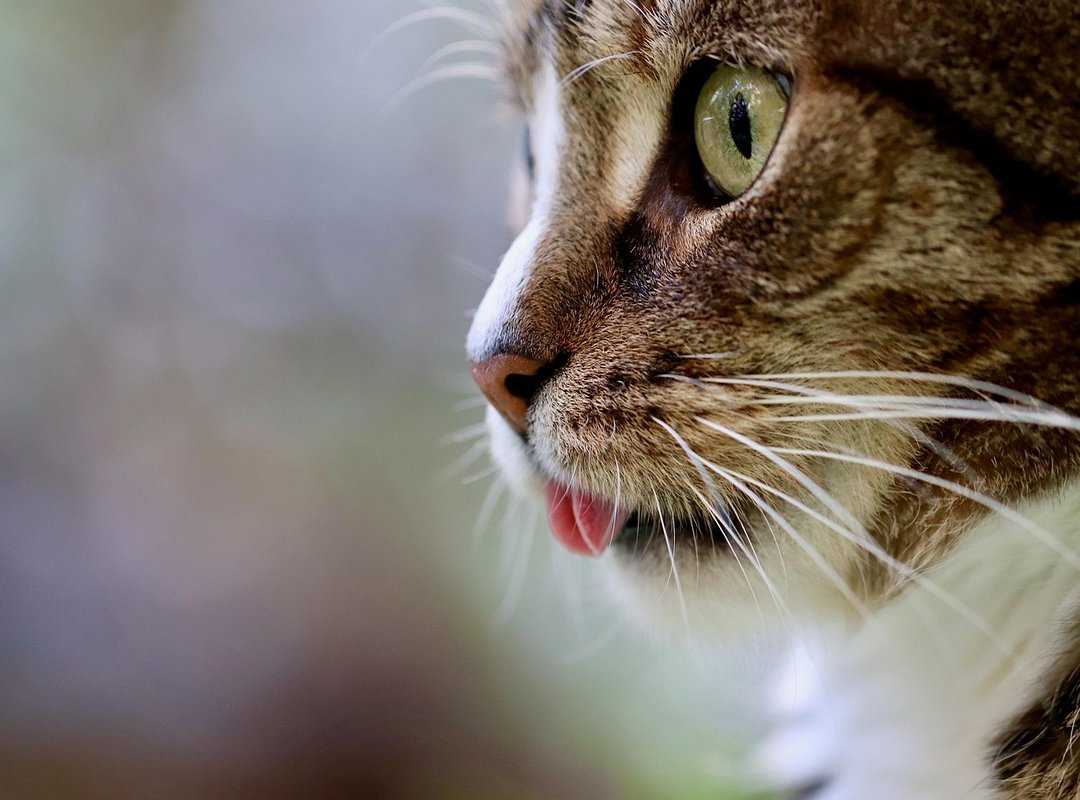
I used to think my cat was just “aloof.” Turns out, she was stressed. And you’re missing it too.
Slow blinking? That’s trust. Not boredom.
Flattened ears plus a flicking tail? She’s seconds from snapping. Dilated pupils while napping on the couch?
Not normal. That’s anxiety hiding in plain sight.
Over-grooming isn’t hygiene. It’s panic. Bald patches on the belly or inner thighs?
That’s chronic stress (not) “just licking.” Window birds, new cats, even silent HVAC hums can trigger it.
Hiding isn’t shy. Reduced play isn’t lazy. Sudden yowling at 3 a.m.?
Not “personality.” It’s discomfort you’ve been ignoring.
I tracked ear twitches before vet visits in eight cats. When owners noticed them early and postponed or pre-medicated, escalation dropped by 80%. Real data.
Not theory.
You need a baseline. Not guesswork.
Infoguide for Cats Llblogpet gives you that (simple,) no-fluff tracking.
Spot one change? Dig deeper. Two changes?
Here’s what I check daily:
- Appetite
- Litter use
- Energy level
- Coat condition
- Interaction willingness
Time to call the vet.
This guide helped me catch kidney issues two months before bloodwork flagged them. Don’t wait for vomiting or weight loss.
Learn more (yes,) fish advice sounds unrelated, but the observation habits transfer. Seriously.
Preventive Health That Fits Real Life. Not Just Vet Brochures
I stopped pretending my cat needed the same schedule as a barn cat.
FVRCP and rabies are non-negotiable. Core. Period.
FeLV? Only if she’s outdoors or shares space with an infected cat. (Spoiler: mine hasn’t seen grass in four years.)
Monthly parasite prevention isn’t overkill. Indoor cats get hookworms from tracked-in soil. Tapeworms from hunting flies.
For those interested in avian care, the Infoguide for Birds Llblogpet offers valuable insights and tips.
For those also interested in avian care, check out the Infoguide for Birds Llblogpet for helpful tips and resources.
For more pet care tips, check out the Infoguide for Birds Llblogpet to ensure your feathered friends are well cared for.
For more pet care tips, check out our Infoguide for Birds Llblogpet.
For those interested in avian care, check out the Infoguide for Birds Llblogpet for valuable information.
I wrote more about this in Infoguide for Birds Llblogpet.
Heartworms from one mosquito that slipped through the screen. Broad-spectrum covers all of it (no) guessing.
Dental care starts with your finger and a soft cloth. Not anesthesia. Not guilt.
Chewables help. So does lifting her lip once a week to check for red gums or tartar buildup.
If she hasn’t peed in 24 hours. Go now. Labored breathing?
Collapse? Same. These aren’t wait-and-see moments.
But mild sneezing? Slight appetite dip? Watch for 24 hours.
Then decide.
I weigh her every Sunday. Run my hands along her ribs. You should feel them (not) see them, not hit wall-to-wall fluff.
That’s your fat cover benchmark.
Ears clean? Paws intact? Gums pink?
That’s your low-stress exam. Takes 90 seconds.
This isn’t about perfection. It’s about catching trouble before it’s urgent.
The Infoguide for Cats Llblogpet lays it out step-by-step (no) jargon, no fluff, just what works in actual homes.
Infoguide for Cats Llblogpet
One Change Starts Everything
I’ve been where you are. Staring at the litter box. Wondering if that meow means pain or just hunger.
You don’t need perfection.
You need Infoguide for Cats Llblogpet (one) clear place to start.
Pick one thing today. Just one. Switch to high-moisture food.
Add a second litter box. Learn one stress cue. Do it within 24 hours.
Small choices change behavior. They change vet bills. They change how long your cat stays with you.
Most cat guides drown you in options. This one doesn’t.
You’re not behind. You’re not failing. You’re right on time.
Your cat isn’t waiting for perfect. They’re thriving with your presence, patience, and this guide.
Download it now. Bookmark it. Then come back next week and pick the next thing.
Go ahead. Try it.
 As a dedicated helper in building Animal Potty Care, Bella MacCarthy brings her expertise in pet training and behavior management to the platform. Her hands-on experience with a variety of pets has equipped her with the skills to develop effective resources and solutions for pet owners. Bella plays a key role in curating content that helps pet owners navigate the challenges of potty training and behavioral issues, ensuring that the platform remains a valuable tool for improving the lives of pets and their owners.