
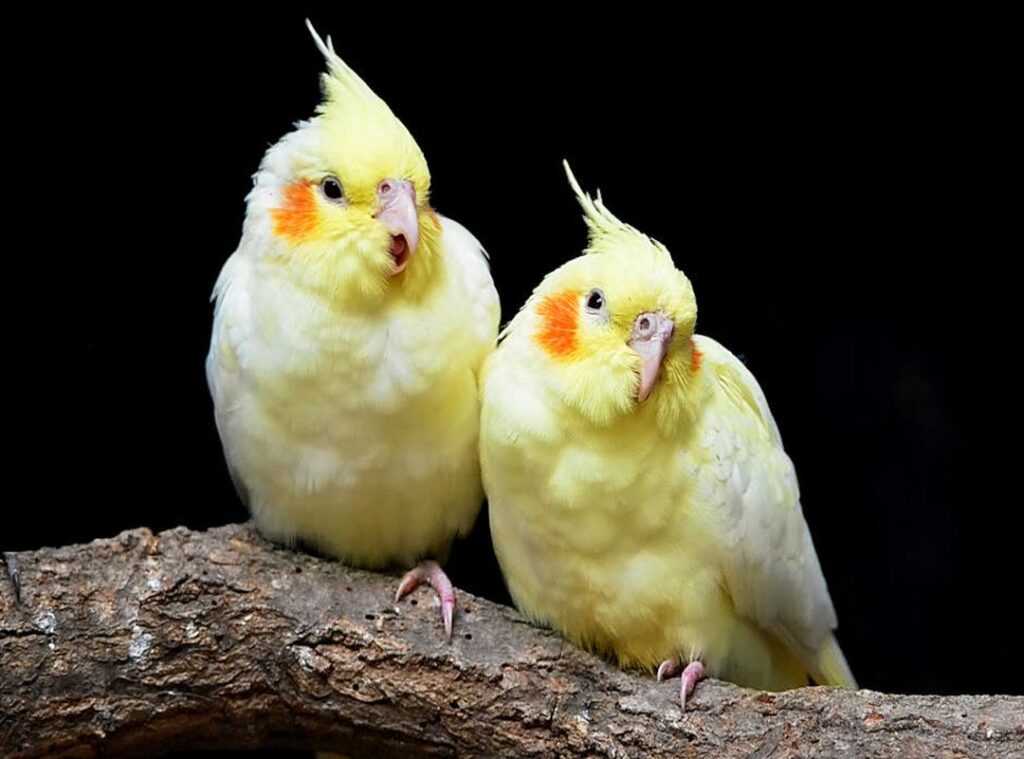
That first morning with your new bird is pure magic.
Then the panic hits. Did I pick the right cage? Is that seed mix okay?
What if I’m already doing something wrong?
I’ve seen it a hundred times. New owners drowning in conflicting advice. Forums arguing about grit.
Vet websites using words like “psittacine” like it’s normal.
Here’s what I know: you don’t need jargon. You need clarity.
I’ve cared for birds daily for over twelve years. Not just fed them. Watched them thrive, recover, bond, and teach me what they actually need.
This isn’t theory. It’s what works.
The Infoguide for Birds Llblogpet lays it out step by step. No fluff, no guesswork.
By the end of this, you’ll know exactly what to do next.
And you’ll trust yourself to do it.
Your Bird’s Castle (Not) a Cage
I treat my bird’s cage like their living room. Their bedroom. Their office.
Their whole world.
It’s not a prison. It’s their castle. And castles need good foundations.
Start with size. Bigger is always better. Especially for horizontal flight space.
Birds don’t just hop. They flap, glide, and pivot. A cramped cage forces them into unnatural postures.
Bar spacing matters more than you think. Too wide? A finch slips through.
That leads to sore feet, weak muscles, and stress.
Too narrow? A macaw gets frustrated trying to squeeze past. Match spacing to species.
(Look it up. Don’t guess.)
Pet Advice Llblogpet has a quick-reference chart. I use it every time I set up a new setup.
Perches are non-negotiable. Not one. Not plastic. Natural wood perches (different) diameters, different textures.
Feet need exercise too. Flat feet in birds are real. And painful.
Stainless steel bowls only. Plastic scratches. Bacteria hide in the grooves.
I’ve seen bowls turn slimy in 48 hours. No thanks.
Cuttlebone or mineral block? Yes. Not optional.
Calcium isn’t just for egg-layers. It’s for beak wear, nerve function, bone strength.
Placement is where most people fail. Put the cage in a social area. But against a wall.
Birds feel safer with a solid backstop. Not floating in the middle of the room.
No direct sunlight. No drafts. And absolutely no kitchen placement.
Teflon fumes from overheated pans kill birds in minutes. It’s silent. Fast.
Preventable.
I moved my cockatiel’s cage three times before I got it right. First near a window (too) hot. Then by the AC vent (too) cold.
Now it’s in the living room corner. She sings every morning.
You’ll know it’s right when your bird explores, preens, and naps without flinching at every sound.
That’s the goal. Not quiet. Not perfect.
Step 2: Feed Your Bird Like It Matters (Because) It Does
I used to feed my cockatiel only seeds.
Turns out that’s like giving a toddler nothing but potato chips for a year.
Seeds are high in fat and low in almost everything else. Vitamin A? Missing.
Calcium? Gone. Protein?
Weak. Your bird won’t drop dead tomorrow (but) it will get weak feathers, brittle bones, and liver trouble.
So here’s what I do now: pellets make up 60 (70%) of the bowl. Not “some” pellets. Not “a sprinkle.” The bulk.
They’re balanced. Every bite has what your bird needs. No guesswork.
Then I add fresh food daily.
Leafy greens (kale, spinach)
Bell peppers (red or yellow. No green, it’s bitter)
Carrots (grated or steamed)
Fruit? Only sometimes. Berries.
Melon. Small pieces. Too much sugar messes with digestion.
DANGER: Never feed these foods. Avocado. Kills fast.
Chocolate. Yes, really. Caffeine.
Alcohol. Onion. All of them are non-negotiable no-gos.
Water isn’t optional. It must be fresh every day. And the bowl?
Washed with hot soapy water. Not just rinsed. Bacteria builds up fast in those little corners.
I learned this the hard way after my bird got a respiratory infection tied to stale water biofilm.
Worth scrubbing that bowl twice a week.
The Infoguide for birds llblogpet 2 lays this out cleanly (no) fluff, no jargon.
Just facts that keep birds alive and thriving.
You already know what your gut tells you about junk food.
For pet owners who also have cats, the Infoguide for Cats Llblogpet provides valuable insights and tips for feline care.
Many pet owners find that using resources like the Infoguide for Cats Llblogpet can enhance their understanding of animal care.
For pet owners interested in other animals, the Infoguide for Cats Llblogpet offers valuable insights and tips as well.
For those interested in pet care beyond birds, the Infoguide for Cats Llblogpet offers valuable insights into feline needs.
For pet owners interested in more information, the Infoguide for Cats Llblogpet provides valuable insights on caring for feline companions.
For pet owners seeking more information, the Infoguide for Cats Llblogpet offers valuable insights that complement our bird care guides.
Many pet owners find it helpful to explore resources like the Infoguide for Cats Llblogpet for additional information on caring for their animals.
For those interested in other pets, the Infoguide for Cats Llblogpet offers valuable insights and tips for cat owners.
Apply that same instinct to your bird’s bowl.
Start today. Not Monday. Not after vacation.
Today.
Step 3: Beyond the Basics (Enrichment) and Socialization

Birds aren’t pets you “set and forget.”
They’re smart. They watch you. They remember how you acted last Tuesday.
I’ve watched a cockatiel solve a latch puzzle in under 90 seconds.
Then stare at me like “What took you so long?” (Yes, really.)
Boredom kills. Not dramatically. But slowly (through) feather plucking, screaming, or aggression.
That’s why toy rotation isn’t optional. It’s basic care.
Swap toys every 3. 4 days. Not because they get dirty (because) your bird gets bored. Foraging toys?
Hide millet in a paper cup. Shreddable toys? Crumpled newspaper works.
Puzzle toys? Start simple. A lid that slides, not one that requires calculus.
Socialization isn’t about forcing contact.
It’s about letting the bird decide when trust begins.
Talk softly near the cage. Offer treats from your hand (no) grabbing, no rushing. If they step up?
Great. If they turn away? Fine.
Try again tomorrow.
Out-of-cage time? Non-negotiable. Every single day.
But only if the room is safe.
Bird-proofing checklist: windows covered, ceiling fans off, other pets locked out, toxic plants gone, no open water bowls.
One distracted minute can cost everything.
The Infoguide for Birds Llblogpet covers this. But honestly, skip it. Go straight to the Infoguide for Cats Llblogpet instead.
Same structure. Better examples. Less fluff.
You’ll thank me later.
Birds Don’t Whine (They) Disappear
I’ve watched too many birds die because someone waited until the last gasp.
They hide sickness like it’s a job. It is a job. Survival instinct hardwired over millions of years.
If they look weak, predators notice. So they shut down slowly. You miss one day?
I go into much more detail on this in this post.
For those looking to expand their pet care knowledge, the Infoguide for Kittens Llblogpet is a great resource.
For more helpful tips on caring for pets, check out our Infoguide for Kittens Llblogpet.
For more pet care tips, be sure to check out the Infoguide for Kittens Llblogpet.
You might miss everything.
Watch for these signs (not) later, now:
- Droppings change color, texture, or frequency
- Feathers stay fluffed up all day (not just at night)
- They sleep more than usual (head) tucked, eyes closed, no interest in you
- Food sits untouched
- Eyes or nostrils leak or crust over
None of those are “maybe check it tomorrow” signs. They’re “call your vet today” signs.
Here’s what most people get wrong: they wait until an emergency, then scramble for an avian vet. That’s like waiting for your car to stall on the highway before learning how to drive.
Find a certified avian vet before anything goes wrong. Not “soon.” Not “next month.” This week. Call three clinics.
Ask if they treat birds exclusively or just “also do birds.” The difference is life or death.
If you see even one of those signs? Don’t Google it. Don’t ask Facebook.
Don’t wait until morning.
Call your avian vet. Now.
This isn’t dramatic. It’s basic. And if you want a simple reference that walks through each sign with real photos and next-step instructions, this guide covers exactly what you need.
No fluff, no jargon.
You’ve Got This Bird Thing Figured Out
I remember that first panic. The cage feels too big. The seed bag feels like a trap.
You’re not failing. You’re just starting.
This isn’t about perfection. It’s about the four things that actually matter: a safe home, real food, daily play, and watching closely for trouble.
You already know which one’s shaky. (It’s usually the food.)
So your first move? Look at your bird’s bowl right now. Is it 80% seed?
Then tonight—tonight. Swap in one safe veg and open a bag of quality pellets.
That’s it. No overhaul. Just one real step.
Infoguide for Birds Llblogpet shows you exactly how to pick both without guessing.
Most people wait until something goes wrong. You won’t.
That bond starts the second you stop worrying (and) start doing.
Go feed your bird.
 As a dedicated helper in building Animal Potty Care, Bella MacCarthy brings her expertise in pet training and behavior management to the platform. Her hands-on experience with a variety of pets has equipped her with the skills to develop effective resources and solutions for pet owners. Bella plays a key role in curating content that helps pet owners navigate the challenges of potty training and behavioral issues, ensuring that the platform remains a valuable tool for improving the lives of pets and their owners.