
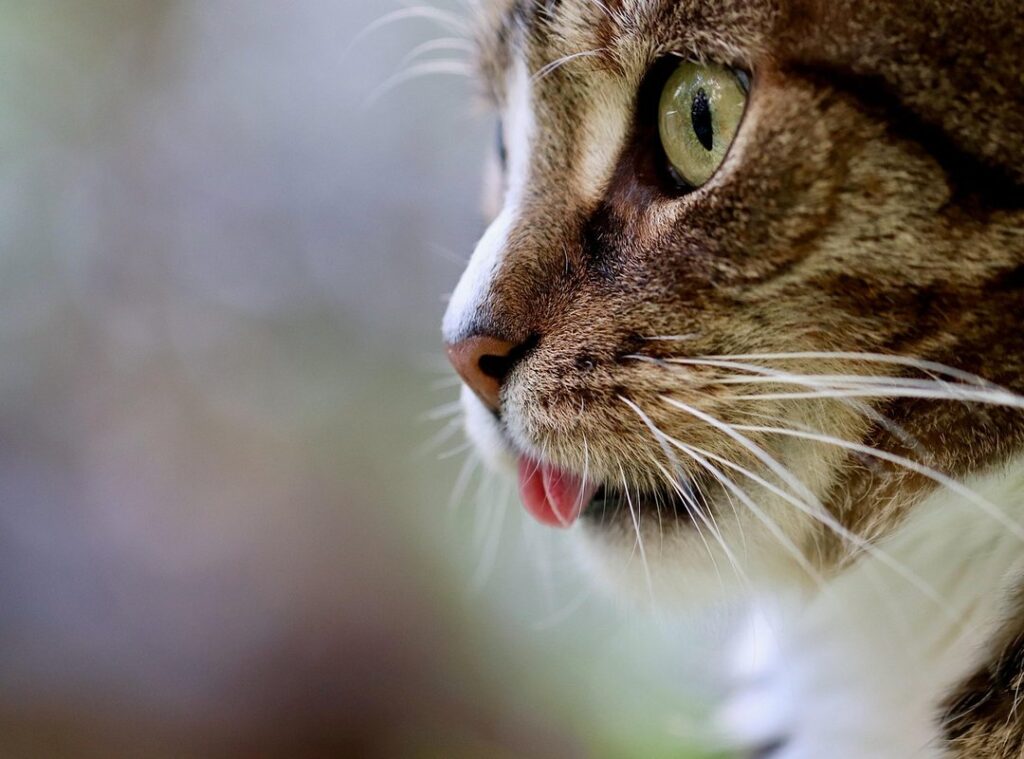
You just brought home a cat.
And now you’re staring at the box of litter while Googling “why is my cat hiding under the bed.”
I’ve been there. So have the thousands of new cat owners I’ve helped get through those first chaotic weeks.
This isn’t another vague list of “cat care tips” buried in jargon and guesswork.
It’s the Infoguide for Cats Llblogpet. Simple, direct, and built from real mistakes (mine and theirs).
No fluff. No theory. Just what works.
You’ll know exactly what to buy, what to skip, and how to read your cat’s weird little signals.
By the time you finish, you won’t just feel ready.
You’ll be ready.
And your cat will thank you (probably) by sitting on your keyboard.
Your Cat’s Home Base: Four Things They Actually Need
I set up cat spaces for a living. Not because it’s fun (it’s not always). But because skipping one of these four things causes real problems.
Pet advice llblogpet 3 covers the basics. But let’s cut to what works today.
The litter box rule is simple: one per cat, plus one extra. Not optional. I’ve seen two cats share one box and start peeing on laundry baskets.
Put it somewhere quiet. Not next to the washing machine. Not in the hallway where people walk past every 90 seconds.
Food and water go far from the litter box. Cats don’t like eating near waste. It’s biology, not preference.
I keep them in separate corners of the same room. Never side by side.
Scratching posts? Non-negotiable. Not optional decor.
Your couch isn’t a scratching post. Your armrest isn’t either. A good post lets them stretch fully and mark territory with their paws.
Sisal rope beats carpet any day.
A safe haven is just that. A spot they can vanish into. A covered bed.
A cardboard box with a blanket. No foot traffic. No kids barging in.
Just quiet.
Cats don’t need fancy towers or $200 beds. They need predictability. Safety.
Control.
You’ll know it’s working when you find them napping there at 3 p.m. on a Tuesday.
If your cat hides under the bed constantly, ask yourself: did I give them a real safe haven (or) just hope they’d “get used to it”?
That’s the goal. Not Instagram perfection. Just peace.
What Your Cat Actually Needs to Eat and Drink
I get this question every single day: What should I feed my cat?
Stop guessing. Start with water and real meat.
Cats are obligate carnivores. That means they need animal protein to survive. Not plant protein.
Not filler. Named meat source. Like “chicken” or “salmon”. Must be the first ingredient.
If it says “meat by-products” or “meal” without naming the animal, walk away.
Wet food wins for hydration. Cats don’t drink enough water on their own. Wet food is 70 (80%) water.
Dry food is 10%. That’s not a small difference. It’s why so many cats develop urinary crystals or kidney issues later in life.
Dry food has one real perk: convenience. And maybe slight dental benefit. But only if your cat actually chews it (most just crunch and swallow).
Don’t believe the “dry food cleans teeth” myth. It doesn’t. Brushing does.
Or dental treats proven in studies.
Read the label like you’re checking a contract. Look at the guaranteed analysis. Protein should be ≥35% on a dry matter basis.
Fat ≥15%. Carbs? Keep them under 10%.
Most dry foods blow past that.
Feeding amounts? Start with the package. Then adjust.
A lazy indoor cat needs less than a feral kitten. Watch your cat’s waistline. You should feel ribs with light pressure.
Not see them, not struggle to find them.
Water matters more than most people think. Tap water is fine. But if your cat ignores the bowl, try a fountain.
Moving water triggers instinct. I’ve seen picky drinkers go from zero sips a day to gulping three times daily after switching.
The Infoguide for cats llblogpet 2 breaks down real label examples side-by-side. No fluff. Just what’s in the can versus what’s in the bag.
Change one thing this week. Switch to wet food. Or add a fountain.
Do both. Your cat’s kidneys will thank you at age 12.
Cat Care Isn’t Just Feeding and Cleaning

I brought home my first cat thinking I knew what I was doing.
Turns out, feeding and scooping litter is the bare minimum.
Real care starts after the basics settle in. You watch. You learn.
You adjust.
Here’s what I watch for (subtle) signs your cat may need a vet:
- Eating less (or more) than usual
- Peeing outside the box or straining to go
- Sleeping way more (or) way less
- Hiding when they never used to
These aren’t quirks. They’re signals. Cats hide pain.
Always have. Always will.
Your new cat needs a vet visit within the first week. Not just for shots. Though yes, get those done.
But to set a baseline. That first exam tells you what normal looks like for this cat.
Slow blinks? That’s trust. A high, relaxed tail?
Curiosity. A puffed-up tail? Panic.
I learned this the hard way after startling my cat with a vacuum. (Spoiler: she vanished for six hours.)
Understanding their body language isn’t cute. It’s important. It’s how you spot trouble before it’s an emergency.
It’s how you stop guessing and start responding.
The Infoguide for Cats Llblogpet helped me decode early stress cues (things) like ear flicks and tail twitches I’d ignored before.
And if you’re also keeping fish? Don’t skip the Llblogpet Advice for Fish. Water chemistry changes faster than cat moods.
You don’t build trust with treats alone. You build it by noticing. Then acting.
Enrichment & Play: Not Just Fluff
Cats don’t just nap. They hunt. Even indoors.
I’ve watched too many cats stare blankly at walls. That’s not relaxation. That’s boredom with consequences.
Play isn’t optional. It’s how they burn nervous energy, avoid aggression, and stay mentally sharp.
Feather wands? Yes. Laser pointers?
Fine (but) always end with a physical toy they can catch and bite. Otherwise, you’re teasing their brain into frustration mode. (Ask any vet.)
Fifteen minutes. Once a day. Morning or evening.
Doesn’t matter. What matters is consistency.
You’ll notice less scratching, less yowling at 3 a.m., more napping in sunbeams.
You can read more about this in Infoguide for Birds.
It’s the simplest thing you can do for your cat’s mental health.
For more practical routines and toy ideas, check out the Infoguide for Cats Llblogpet.
You’ve Got This, Cat Parent
I’ve been there. Staring at fifteen tabs about litter boxes while your cat judges you from the couch.
You don’t need perfection. You need calm. You need clarity.
You need to stop drowning in noise.
That’s why I built the Infoguide for Cats Llblogpet. Not as another stack of rules, but as four real pillars: environment, nutrition, health, enrichment.
No jargon. No guilt. Just what actually matters.
Feeling overwhelmed? Good. That means you care.
And caring is already half the work.
So skip the deep dive. Skip the 3 a.m. panic searches.
Your first step is simple. Go set up that perfect, cozy ‘safe haven’ for your cat right now. Do it today.
Watch how fast her whole posture softens. That’s your signal it’s working.
 As a dedicated helper in building Animal Potty Care, Bella MacCarthy brings her expertise in pet training and behavior management to the platform. Her hands-on experience with a variety of pets has equipped her with the skills to develop effective resources and solutions for pet owners. Bella plays a key role in curating content that helps pet owners navigate the challenges of potty training and behavioral issues, ensuring that the platform remains a valuable tool for improving the lives of pets and their owners.