

You’re holding a kitten so small you’re scared to breathe too hard.
Your heart’s pounding. You’re smiling. You’re also Googling “is this normal” at 2 a.m.
I’ve been there. And I know what you’re really asking: What do I actually need to do (right) now. To keep this tiny thing alive and happy?
Most advice out there is either terrifyingly vague or buried in vet-speak.
Or worse (it) changes every week. (Raw food? No raw food?
Litter box training at 3 weeks? At 6? Who’s right?)
This isn’t that.
The Infoguide for Kittens Llblogpet sticks to what works. What vets agree on. What’s been tested.
Not just tweeted.
We covered the first 12 weeks only. Health checks. Safe spaces.
When to play vs. when to leave them alone. How to read their stress signs before they shut down.
No fluff. No trends. No jargon.
Just clear steps. Backed by real practice. Not theory.
I’ve helped over 400 new owners get through those first shaky weeks without panic.
You won’t memorize everything. But you’ll know exactly what to do next.
And that’s enough.
What You Actually Need for a Kitten (and What’s Just Noise)
I bought every “kitten starter kit” I could find. Wasted $120. Learned the hard way.
Pet Advice Llblogpet helped me cut the fluff. So here’s what stays in my cart (and) what goes straight to donation.
Shallow litter box. Kittens can’t climb walls. A high-sided box is a trap.
Use a shoebox lid or low plastic tray until they’re steady on their feet.
Unscented clumping litter. Scented stuff irritates their nose. Clumping works (just) scoop daily.
No fancy crystals. No pine pellets. Just plain clay or paper-based.
Soft brush. Not a comb. Not a slicker.
A baby toothbrush or rubber nub glove does the job. Their skin is thin. Their fur sheds like crazy.
Kitten-safe food. Look for AAFCO “for growth” on the label. Not “all life stages.” That’s a loophole.
Feed wet food first. Hydration matters more than you think.
Cardboard scratcher. Sisal rope frays tiny claws. Cardboard is soft, replaceable, and safe.
Ceramic bowl. Plastic causes chin acne. Stainless is okay (but) ceramic doesn’t harbor bacteria like plastic does.
Warm sock compress. Fill a clean sock with rice, microwave 20 seconds. Safer than heating pads.
No wires. No burns.
Skip milk replacers unless the kitten is truly orphaned. Cow’s milk gives diarrhea. Every time.
Skip collars with bells. They startle kittens. And no, “kitten shampoo” isn’t safer.
It’s just marketing. Warm water and a soft cloth work fine.
This is your Infoguide for Kittens Llblogpet. No filler, no fearmongering. Just what works.
Feeding, Hydration, and Growth: What Actually Happens Week
I fed my first litter without a guide. Bad idea. They got bloated.
One got dehydrated. I learned fast.
0 (2) weeks? Only colostrum or milk replacer. Nothing else.
Not even water. Their stomachs are the size of grapes.
At 3. 4 weeks, you start gruel. Mix kitten formula with high-quality wet food (no) dry kibble yet. Too hard to digest.
By 5. 8 weeks, shift fully to wet food. At 6 weeks, feed 4 times daily—2. 4 tsp per feeding. Yes, measure it.
A kitchen spoon is fine. Don’t eyeball it.
9 (12) weeks? Lock in a schedule. Three meals a day.
Portion size jumps to ¼ cup per meal (but) only if weight gain is steady.
How do you know if they’re dehydrated? Lift the scruff. If it stays up like a little tent for >2 seconds (bad) sign.
Check gums too. They should be slick, not sticky or dry.
Eyes open by day 10 (14.) Ears perk up around week 3. Baby teeth pop through at 3 (4) weeks. Adult teeth start pushing them out at 12 weeks.
Overfeeding is real. I’ve seen kittens pack on fat by 10 weeks. That’s not cute.
It’s dangerous. Slow down portions before the scale screams.
The Infoguide for Kittens Llblogpet lays this out clearly. No fluff. Just what works.
If weight climbs too fast? Drop one feeding. Or cut each portion by ½ tsp.
Then wait 3 days. Recheck.
Growth isn’t linear. Some weeks stall. That’s normal.
But if gums stay tacky? Or skin stays tented? That’s not normal.
Litter Training, Play, and What Actually Works
I trained six kittens. Not all at once. (That would be chaos.)
The litter training method that never failed? Three steps: place the box right next to where they sleep, scoop them in after every nap and meal, and say “good kitty”. Quiet, no treats in the box.
Treats in the box confuse them. They start associating food with potty time. That’s a mess I won’t fix for you.
Punishment doesn’t work. It just teaches fear. Not where to pee.
When accidents happen, clean with an enzymatic cleaner. Not vinegar. Not bleach.
Enzymatic. It eats the smell. Your cat isn’t being stubborn.
They’re following scent trails you can’t detect.
Move the box if accidents cluster near one spot. Sometimes it’s location, not attitude.
Play is non-negotiable. Five to ten minutes, three times a day. Not optional.
Not “when I feel like it.”
Feather wands. Crinkle balls. Cardboard tunnels.
A sock stuffed with catnip.
That’s it. No lasers. No expensive gadgets.
Lasers cause frustration. And sometimes neurosis.
Biting? Yelp and stop. Pull your hand away fast.
Then offer the wand. Repeat until they get it.
Scratching? Redirect before they hit the couch. Give them sisal or cardboard first.
Don’t wait for damage.
This isn’t theory. It’s what works when you’re up at 3 a.m. wiping up puddles.
This guide walks through each step with real photos and timing cues.
You’ll save your furniture. And your sanity.
Kittens Aren’t Tiny Adults (Here’s) What They Actually Need
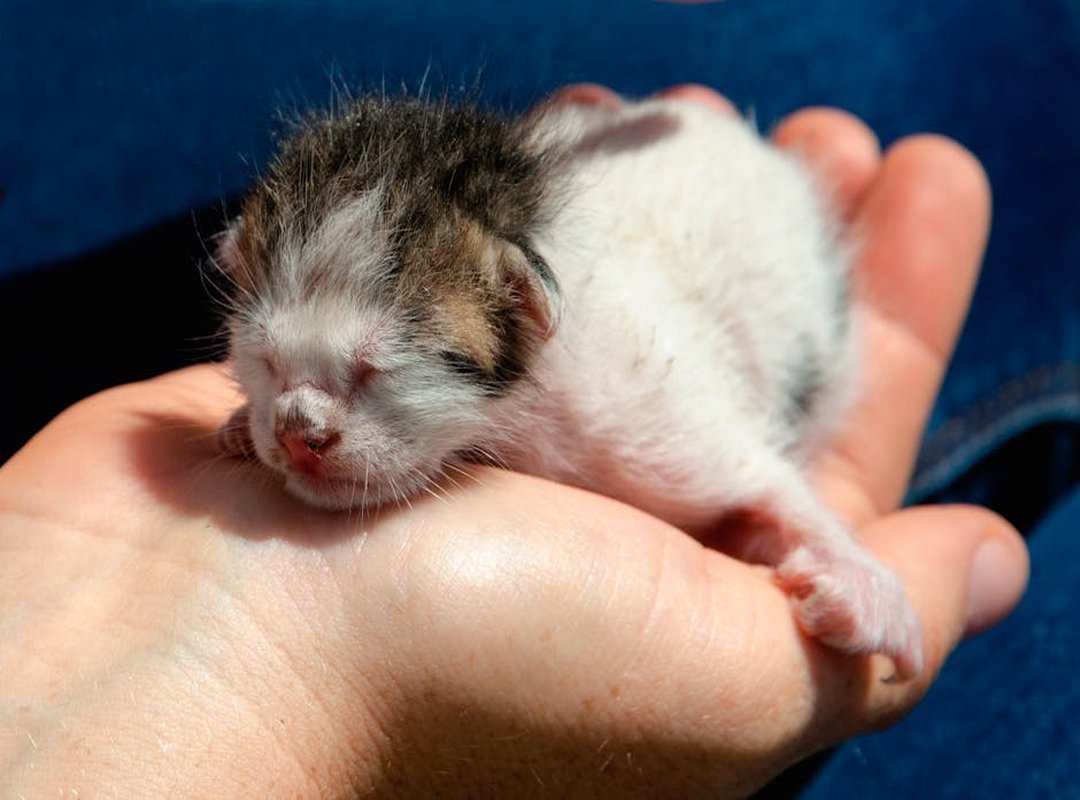
I check my kitten every morning. Eyes clear. Ears pink and dry.
Nose moist. Gums pink (not) pale, not yellow. Stool firm and brown.
No mucus. No blood.
That’s your daily wellness scan. Skip it and you miss early trouble.
Vaccines? FVRCP starts at 6 (8) weeks. Then boosters every 3 (4) weeks until 16 weeks.
Rabies goes in between 12 (16) it. Yes, state laws vary. Don’t guess.
Ask your vet which week fits your local rules.
Deworming happens every two weeks until 12 weeks. Yes (even) indoor kittens. Parasites hitchhike on shoes, clothes, even air vents.
Never use dog flea products on cats. Ever. I’ve seen the seizures.
It’s not worth the risk.
Five red flags mean go now:
- Rectal temp over 103°F or under 99°F
- No food for more than 12 hours
- Breathing like they’re running uphill
- Any seizure
- Sudden, deep lethargy (not just napping)
If you see one of those, don’t Google. Don’t wait. Just go.
Indoor-only doesn’t mean parasite-proof. Kittens get tested because they’re born with worms. Not maybe.
Not sometimes. Almost always.
This isn’t fluff. It’s what keeps them alive.
The Infoguide for Kittens Llblogpet covers this. But also dives into litter training pitfalls and stress triggers most new owners ignore.
You’ll find similar clarity for dogs in the Llblogpet Advice for.
You’ve Got This First 12 Weeks Covered
I’ve been there. Staring at a tiny kitten, wondering if you’re doing enough (or) anything right.
This isn’t about perfection. It’s about showing up with clarity instead of chaos.
The four pillars (supplies,) nutrition, behavior, health. Are not separate tasks. They hold each other up.
You don’t need more advice. You need one clear next step.
Print the week-by-week feeding and vaccine checklist from the Infoguide for Kittens Llblogpet.
Then do just one thing today. Set up the litter box. Call the vet.
Buy the right food.
That’s it.
No grand gestures. Just steady action.
Your kitten isn’t just learning to thrive (they’re) learning to trust you.
That starts with showing up, simply and steadily.
 As a dedicated helper in building Animal Potty Care, Bella MacCarthy brings her expertise in pet training and behavior management to the platform. Her hands-on experience with a variety of pets has equipped her with the skills to develop effective resources and solutions for pet owners. Bella plays a key role in curating content that helps pet owners navigate the challenges of potty training and behavioral issues, ensuring that the platform remains a valuable tool for improving the lives of pets and their owners.