
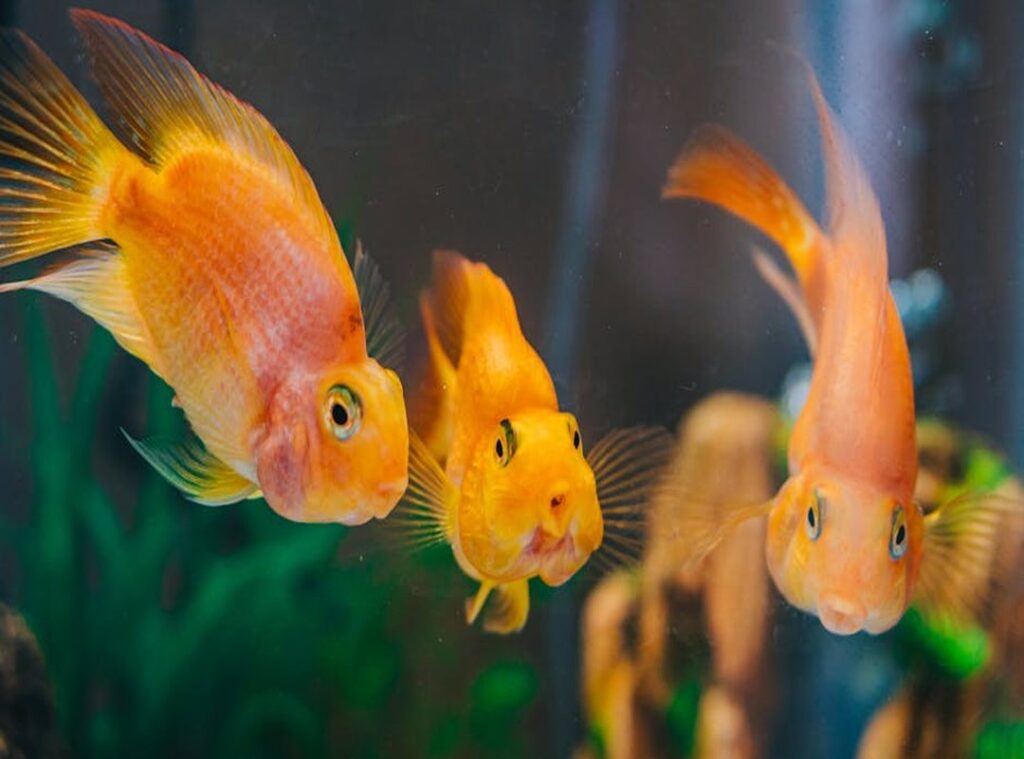
You just bought your first fish.
And now you’re staring at the tank wondering if it’s already too late.
I’ve seen it a hundred times. That hopeful glow fades fast when the water clouds up or the fish stop eating.
Most guides talk in circles about pH and ammonia like it’s chemistry class. It’s not. It’s life support.
Llblogpet Advice for Fish cuts through that noise.
I’ve kept tanks running (flawlessly) — for over fifteen years. Not by memorizing charts. By watching what actually works.
This isn’t theory. It’s what keeps fish alive while you sleep.
You’ll walk away with one clear plan. No guesswork. No panic.
Just stability. Day after day.
That’s the goal. And it’s possible.
Beyond the Glass Box: Your Tank’s Foundation Starts Now
I set up my first tank thinking it was just about water and fish. It wasn’t. It was about patience.
And chemistry. And not killing anything on day three.
The setup phase is the most key part of keeping fish alive (full) stop. Skip it, rush it, or half-ass it? You’ll pay for it later.
With dead fish. With green water. With stress.
Let’s talk cycling. That’s the nitrogen cycle. Ammonia from waste turns into nitrite (toxic).
Nitrite turns into nitrate (less toxic). Bacteria do this work. You can’t see them.
You can’t speed them up. You must wait for them to settle in. No fish belong in a new tank until that cycle is complete.
Period.
Sand or gravel? It’s not aesthetic. It’s biological.
Corydoras and kuhli loaches dig. They use their barbels like fingers. Gravel shreds those.
Sand doesn’t. So if you want them healthy, choose sand. Not because it looks nice.
Because it keeps them breathing.
Filtration has three jobs:
Mechanical traps gunk. Biological hosts good bacteria. Chemical removes odors or meds.
For beginners, I recommend a hang-on-back filter with all three (like) the ones covered in Pet Advice.
Tank size? Bigger is better. Always.
A 20-gallon tank doesn’t just hold more fish. It holds more stability. Temperature swings less. pH wobbles less.
Mistakes matter less.
Llblogpet Advice for Fish isn’t about magic tricks. It’s about respecting water as a living system (not) a decoration. You wouldn’t plant tomatoes without soil prep.
Don’t treat your tank like a vase.
The Secret to Healthy Fish: Water Quality Isn’t Optional
Poor water quality kills more fish than bad food, bad genetics, or bad luck. It’s the number one killer. Full stop.
I’ve watched tanks crash because someone skipped a water change. Or used tap water straight from the faucet. Or trusted those flimsy paper test strips.
Don’t do that.
Here’s what I do every Sunday: 25% water change, no exceptions. I use a gravel vacuum. It pulls gunk out of the substrate, not just the surface.
Then I treat the new water with a dechlorinator. Always. Even if your tap says “filtered” on the bottle.
(It’s lying.)
Temperature matters too. I check the new water with a thermometer. If it’s more than 2°F off the tank temp, I adjust it.
Fast. Fish don’t care about your schedule (they) care about shock.
Test your water weekly. Not monthly. Not “when something looks weird.” Weekly.
Use a liquid test kit. Paper strips lie. Consistently.
Test these four things: Ammonia, Nitrite, Nitrate, and pH.
Ammonia: 0 ppm
Nitrite: 0 ppm
Nitrate: under 20 ppm
pH: 6.8. 7.8 (for most community tanks)
That’s it. No guessing. No hoping.
Here’s the pro-tip you’ll thank me for later:
Never replace 100% of the water. Never rinse filter media in tap water. You’ll kill the good bacteria (and) crash your cycle overnight.
It’s not dramatic. It’s boring. And boring is exactly what keeps fish alive.
Llblogpet Advice for starts here. With clean water, not cute decor.
Fish Food Isn’t One-Size-Fits-All
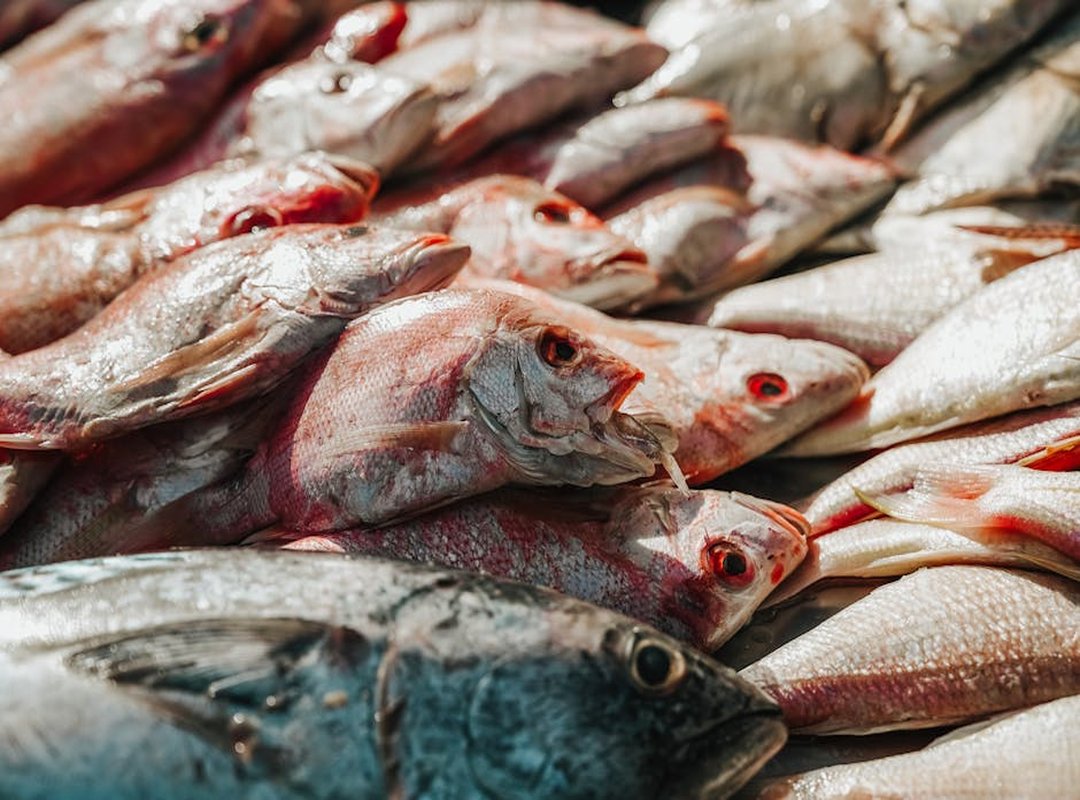
I used to dump the same flake food in my tank every day. Then my pleco stopped moving. Turns out he needed fiber.
Not protein.
Carnivores. Like bettas and cichlids (need) animal protein. Herbivores.
Flakes alone are like eating cereal for every meal. They’re fine as a base, but not a complete diet.
Plecos, silver dollars (crave) algae and veggies. Omnivores (tetras,) guppies. Split the difference.
So I switched. High-quality pellet as the daily staple. Then two or three times a week: frozen brine shrimp, daphnia, or bloodworms.
No more guessing.
You’re probably wondering: How much is too much?
The two-minute rule fixes that. Drop food in. Set a timer.
If it’s still floating after 120 seconds, you fed too much. That uneaten food rots. It spikes ammonia.
It kills your filter bacteria. It’s the number one mistake I see.
Pet advice llblogpet covers this exact trap. And how to break it. Better than most blogs.
Plecos get algae wafers. Snails get the same ones (they’ll fight over them). Blanched zucchini slices?
My mystery snails go feral for them.
Spinach works too (but) only if you blanch it first. Raw spinach sinks like a rock and clouds the water.
Don’t treat your fish like they’re all the same species. They’re not.
Feed what they evolved to eat. Not what’s easiest for you.
And stop pouring flakes like it’s a party favor.
I go into much more detail on this in Infoguide for Cats Llblogpet.
Spotting Trouble Early: A Beginner’s Guide to Aquatic Pet Health
I watch my fish like a hawk. Not because I’m paranoid (because) they don’t talk.
If your betta’s gills flare too fast? That’s stress. Not drama.
Not moodiness. Stress.
You notice it before the white spots show up. Before the swimming gets weird.
That’s when you act. Not later. Not “maybe tomorrow.”
Llblogpet Advice for Fish is where I go first when something feels off.
You’re Done Feeding Your Fish Wrong
I’ve seen too many tanks crash from bad advice. You don’t need guesswork. You need Llblogpet Advice for Fish.
Tested, direct, no fluff.
You already know your fish are stressed. The water’s cloudy. The algae won’t quit.
And every “expert” online says something different.
This isn’t theory.
It’s what works (right) now (in) real tanks with real fish.
So stop scrolling.
Stop risking another lost betta or gasping guppy.
Go read Llblogpet Advice for Fish.
It’s the #1 rated guide for people who just want their fish to live.
Click. Read. Fix it today.
 As a dedicated helper in building Animal Potty Care, Bella MacCarthy brings her expertise in pet training and behavior management to the platform. Her hands-on experience with a variety of pets has equipped her with the skills to develop effective resources and solutions for pet owners. Bella plays a key role in curating content that helps pet owners navigate the challenges of potty training and behavioral issues, ensuring that the platform remains a valuable tool for improving the lives of pets and their owners.