
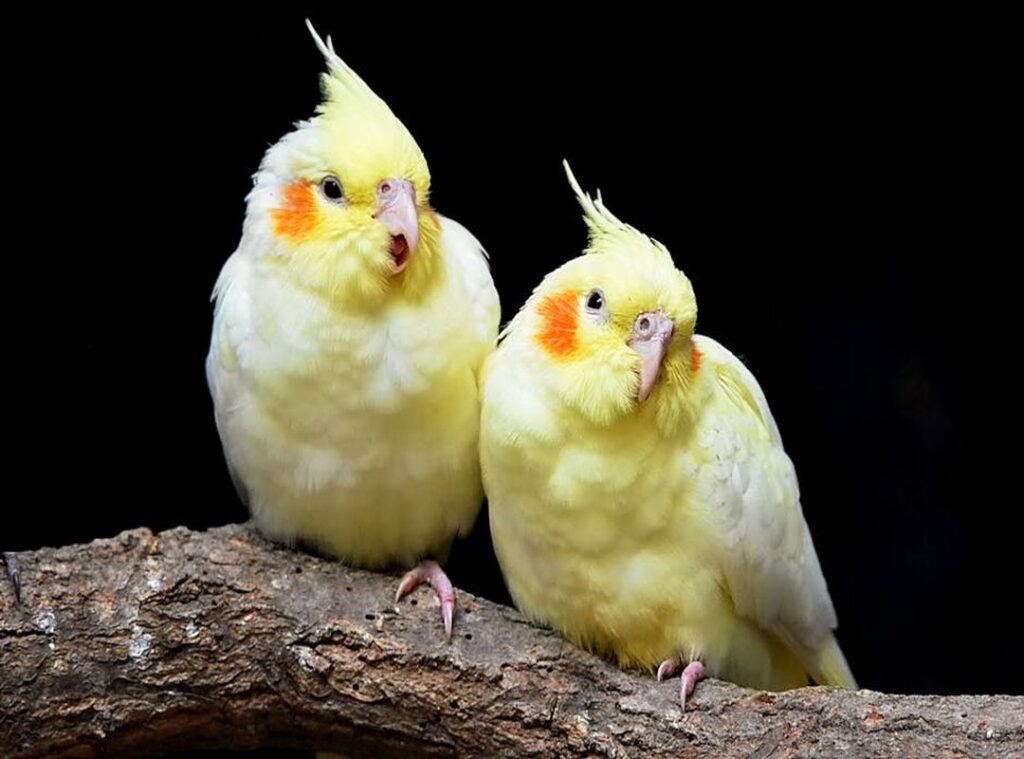
You just brought home a bird.
Your head is spinning from what you’ve read online.
One site says seed-only diets are fine. Another says they’ll kill your bird in three years. A forum thread argues over cage size like it’s a Supreme Court case.
I’ve seen this happen a hundred times.
Most bird care advice isn’t wrong on purpose. It’s just pulled from textbooks, not real homes. Not from kitchens with limited counter space.
Not from apartments where noise matters. Not from people who work 50 hours a week and still want their bird to thrive.
I’ve watched birds live 20+ years in studios and basements.
I’ve tracked what actually works across species. Budgies, conures, cockatiels, greys (not) just what sounds right.
Generic tips fail because they ignore your life.
This guide doesn’t.
It gives you Llblogpet Advice for Birds From Lovelolablog (tested,) repeated, stripped of theory.
No fluff. No jargon. No “shoulds” that assume you have unlimited time or money.
Just steps you can take today. That fit your schedule. That match how birds really behave.
You’ll walk away knowing exactly what to change (and) why it matters.
Beyond the Cage: Real Habitat Rules
I set up bird spaces for a living. Not just cages. Actual habitats.
Pet advice llblogpet 3 covers the basics (but) let’s cut to what actually matters.
Budgies need at least 24” x 18” x 18”. Bar spacing? No more than ½ inch.
Cockatiels: 24” x 24” x 24”, bars ≤ ¾ inch. Conures? 30” x 24” x 30”, bars ≤ 1 inch. Lovebirds: same as budgies, but tighter. ½ inch max.
And forget painted cages. Zinc and lead kill birds fast.
Natural light is non-negotiable. Not sunlight through glass (UV-B blocked). Not artificial light alone.
They need 2 (3) hours of unfiltered daylight, or a full-spectrum avian lamp on a timer.
Perches must vary. Soft wood, rope, concrete (diameters) from ½” to 1¼”. No plastic.
No dowels. Their feet aren’t built for uniform pressure.
Noise zoning means quiet zones and predictable sound. Sudden blenders or door slams spike cortisol. Birds notice.
Bird-proofing isn’t optional. Check every plant (lilies, philodendron, poinsettia = poison). Cover open water.
Turn off ceiling fans. Tape windows or use decals. Glass kills more birds than you think.
Here’s the underrated tip: rotate toys weekly. Not just moving them (swapping) locations and types. It fights neophobia, stops pacing, and cuts down on feather plucking.
You think your bird’s fine in that big cage. But are they engaged? Or just waiting?
Llblogpet Advice for Birds From Lovelolablog nails this stuff. I agree with most of it.
Daily Nutrition: What to Feed (and What to Never Offer)
I feed my birds like I feed myself. Not perfectly. But deliberately.
60% pelleted base (not) seed mix. Not “fortified” seed. Real pellets.
The kind that don’t crumble into dust or leave a rainbow of dyed junk at the bottom of the bowl.
30% fresh vegetables. Kale, spinach, bell peppers, broccoli, carrots, zucchini, sweet potato (cooked), and snap peas. That’s eight.
No more. No less. You don’t need fifty options to get it right.
10% treats. Think: one small piece of apple, two blueberries, or a sliver of cooked egg. Once a day.
Not every time you walk past the cage.
Seed-only diets? They’re slow poison. I’ve seen birds with flaky skin, sneezing fits, and eyes half-closed from lethargy (all) from vitamin A deficiency and fatty liver disease.
It’s real. It’s preventable.
Toxic foods? Avocado. Chocolate.
Onions. Garlic. Caffeine.
Alcohol. Fruit pits. Even a bite can shut down their tiny systems.
Here’s my 5-minute weekly prep: Wash veggies. Chop them. Portion into labeled freezer bags.
You’re probably thinking: But my bird loves sunflower seeds. Yeah. So does mine. And I still say no.
Done. Pull one out each morning.
Llblogpet Advice for Birds From Lovelolablog says it plainly: skip the guesswork. Feed what works. Not what’s easy.
Skip the avocado. Skip the toast crust. Skip the “just one bite” logic.
Your bird won’t thank you now. But they’ll live longer because of it.
Bird Body Language: What Your Parrot Is Actually Telling You
I used to think eye pinning meant aggression. Turns out it’s just focus. Or curiosity.
Or hunger. Context is everything.
Flattened head feathers? Not always fear. Sometimes it’s just a bird settling in for a nap.
But if it’s paired with tail bobbing at rest? That’s your cue to check the air quality.
Tail bobbing while perched is never normal. Never. It means breathing is hard.
I’ve seen people wait three days before calling the vet. Don’t be that person.
Excessive preening isn’t the same as feather plucking. One is grooming. The other is pain or stress.
Watch where the feathers go missing. Chest and inner thighs are red flags.
Beak grinding? That’s contentment. Real, quiet, sleepy contentment.
If you hear it at bedtime, your bird feels safe. (Mine does it right before she tucks her head.)
Normal vocalizations: whistling, soft chatter, mimicry. Urgent ones: shrieking with no trigger, or sudden silence from a talkative bird. Silence scares me more than noise.
Weight loss shows up on the keel bone before you see it visually. One-footed standing longer than usual? Pain or weakness.
Crusty nares? Infection. Delayed molting?
Stress or poor nutrition.
Eye pinning means nothing without context.
| Behavior | Likely Meaning | Recommended Action |
|---|---|---|
| Sudden aggression toward hand | Recent environmental change | Pause training, restore routine for 72 hours |
| Crusty nares | Respiratory infection | Vet visit within 24 hours |
Llblogpet Advice for Birds From Lovelolablog covers this stuff in depth. And if you have a dog too, their Llblogpet Advice for Dogs by Lovelolablog is just as practical.
Trust Isn’t Built in a Day. It’s Given Slowly

I sat next to my cockatiel’s cage for three full days before I even tried to open the door. No touching. No reaching in.
I wrote more about this in Pet Advice Llblogpet.
Just me, a chair, and silence broken only by soft words.
That’s the observation phase. It works. Your bird watches you.
You watch them. You both decide if this is safe.
The step-up technique? It’s not about commanding. It’s about offering your finger like an invitation.
And walking away the second they turn their head or lift a wing. Refusal isn’t stubbornness. It’s communication.
Ignore it, and you reset trust by a week.
My 5-minute routine:
1 minute just breathing near the cage
2 minutes tapping a chopstick on the perch (target training (yes,) it works)
2 minutes on a low, stable perch outside the cage. With me sitting still beside it
No mirrors. They don’t fool birds. And no grabbing young birds for “socialization.” That’s stress dressed up as care.
Over-handling kills confidence faster than neglect ever could.
I’m not sure why so many guides skip reading body language (but) they do. Wing lift. Backing up.
Pinned eyes. These aren’t cute quirks. They’re stop signs.
If you want real, low-pressure guidance that respects what your bird actually needs (not) what we wish they’d do. Check out the Llblogpet Advice for Birds From Lovelolablog.
Your Bird’s Healthiest Year Starts Now
I’ve seen the panic. The late-night Googling. The seed bag you’re still using because no one told you it’s killing your bird slowly.
Llblogpet Advice for Birds From Lovelolablog cuts through that noise. No fluff. No contradictions.
Just four real things: safe habitat, smart food, reading behavior, and earning trust. Not demanding it.
You don’t need to fix everything today. Pick one thing. Swap seeds for pellets + one veggie.
Or watch your bird silently for three days. Do it before bedtime tonight.
That’s how consistency starts. Not with perfection. Not with more research.
Your bird doesn’t need perfection (they) need consistency, clarity, and care you can start giving right now.
 As a dedicated helper in building Animal Potty Care, Bella MacCarthy brings her expertise in pet training and behavior management to the platform. Her hands-on experience with a variety of pets has equipped her with the skills to develop effective resources and solutions for pet owners. Bella plays a key role in curating content that helps pet owners navigate the challenges of potty training and behavioral issues, ensuring that the platform remains a valuable tool for improving the lives of pets and their owners.