
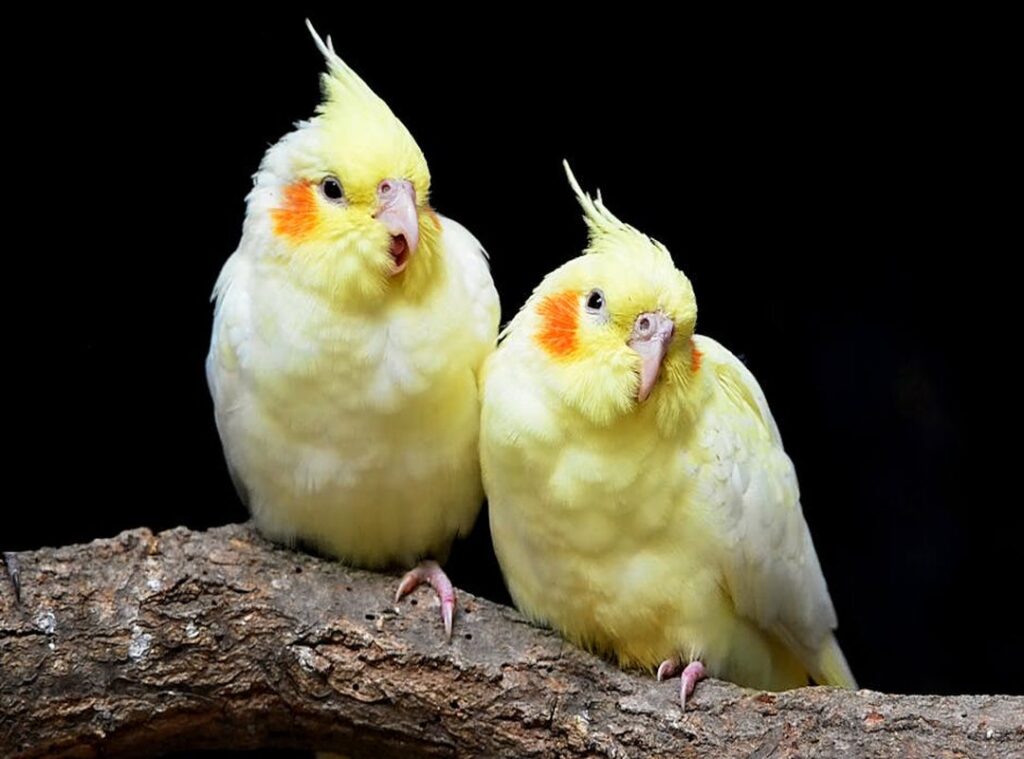
That first morning with your new bird is magic.
You’re smiling. You’re whispering to them. You’re already in love.
Then you open your phone and get buried under fifty conflicting articles about cage size, seed mixes, and whether your parrot needs a therapist.
I’ve been there. More than once.
I’ve raised finches that sang at sunrise, cockatiels that stole my earrings, and a stubborn Amazon who learned to open cabinet doors (and yes, he ate the crackers).
Not all of it went smoothly. Some days were messy. Some advice was flat-out wrong.
That’s why I wrote Llblogpet Advice for Birds From Lovelolablog.
No jargon. No fear-mongering. Just what works (tested) over years, not weeks.
You’ll learn what actually keeps your bird safe, happy, and healthy.
Nothing extra. Nothing missing.
The Perfect Bird Sanctuary: Cage Setup, Not Guesswork
I’ve watched too many birds pace the same three inches of perch while their owners think they’re “fine.”
Bigger is better. Always.
Horizontal space matters most for finches and canaries. They fly low and fast. Vertical space?
Bar spacing isn’t optional. It’s safety. Finches need 1/4 inch or less.
That’s for cockatiels, conures, and anyone who climbs like it’s their job.
Cockatiels need 1/2 inch max. Anything wider and you’ll find yourself Googling “how to rescue a stuck toe” at 7 a.m.
Place the cage in your living room (not) the laundry room, not the garage. Birds need social noise, not silence.
But keep it away from windows with direct sun (they overheat), drafty doors (respiratory issues hit hard), and especially the kitchen. Teflon fumes from overheated pans kill birds in minutes. Yes, really.
Natural wood perches (varying) diameters (are) non-negotiable. Your bird’s feet need exercise, not flat plastic.
Two bowls minimum. One for food. One for water.
Change both daily. No exceptions.
A cuttlebone or mineral block stays in there always. Not optional. Not “when I remember.”
I rotate the cage layout slightly every week. Move the perch, shift the toy, flip the mirror. Small change.
Big mental win.
That’s why I stick with Pet advice llblogpet 3 3. It lines up with what I actually see working.
Llblogpet Advice for Birds From Lovelolablog nailed the balance between practical and humane.
Don’t treat a cage like furniture. Treat it like real estate. Location, layout, and safety decide everything.
Beyond the Seed Bowl: What Your Bird Actually Needs
I used to feed my cockatiel only seeds.
Turns out that’s like giving a toddler nothing but potato chips and calling it lunch.
Seeds are high in fat, low in calcium, vitamin A, and important amino acids. They’re not food. They’re bird junk food.
(And yes, your bird will beg for them like it’s candy.)
A high-quality pelleted diet should be 70. 80% of what your bird eats. Not “some pellets mixed in.” Not “a few pellets scattered on top.”
70 (80%.) Full stop.
Then add fresh stuff. Chopped kale. Romaine.
Bell peppers. Carrots. Small bits of berries or apple (no) seeds, no core.
Water? Non-negotiable. Fresh, clean water every single day.
And scrub those bowls daily. Bacteria grow fast in warm, wet residue.
Now (the) hard no’s. Avocado? Toxic.
Kills fast. Chocolate? Same.
Caffeine? Alcohol? Salty foods?
All dangerous. Even tiny amounts.
Why does this matter? Because malnutrition shows up slow. Feathers dull.
Toes swell. Breathing changes. Then (suddenly) — it’s an emergency.
I’ve seen birds recover in weeks once we switched from seeds to pellets + greens.
Others never bounced back from years of seed-only diets.
You wouldn’t eat cereal for every meal. So why expect your bird to thrive on sunflower seeds alone?
This isn’t just theory. It’s what works. That’s the core of Llblogpet Advice for Birds From Lovelolablog.
Enrichment and Socialization: The Keys to a Happy Bird’s Heart
I used to think my cockatiel just needed food, water, and a clean cage.
Turns out I was wrong.
Birds aren’t decorations. They’re intelligent, social, and wired to explore, solve, and connect. Leave them bored for too long and they pluck feathers, scream, or go quiet (which) is worse.
I learned this the hard way when my bird started chewing the cage bars raw.
That’s not “chewing.” That’s panic.
Foraging toys force them to work for treats (like) tearing open a paper cup or lifting a lid. Shreddable toys (yucca, cardboard, untreated paper) give them something safe to destroy. Puzzle toys?
Not magic. Just wood blocks with hidden seeds or sliding doors.
But here’s what nobody tells you: toys lose value fast. Rotate them every 3 (4) days. Even if your bird loved that bell last week, it’s probably ignored it for three days straight.
Cage time is not enough. They need daily out-of-cage time in a bird-proofed room (no) open windows, no ceiling fans, no toxic plants. Mine gets 90 minutes minimum.
No exceptions.
Bonding isn’t about forcing closeness. Talk softly. Offer millet from your hand (but) pull back if they flinch.
Let them step up on their terms.
I still remember the first time mine hopped onto my finger without hesitation. Took six weeks. Zero pressure.
All trust.
Skip the guilt. Just start today. One toy.
If you’re starting over with a new bird, check out the Llblogpet advice for birds from lovelolablog 2 (it) covers the exact steps I skipped at first.
One minute outside the cage. One soft word.
That’s how you earn their heart.
Birds Don’t Whine (They) Disappear

I check my bird every morning. Not because I’m extra careful. Because they lie to you.
Flat out.
They hide illness like it’s a superpower. (Which, honestly, it kind of is.)
So daily observation isn’t optional. It’s the only way you’ll catch trouble early.
Look for these signs:
- Droppings that change color, texture, or frequency
- Fluffed-up feathers for more than an hour
- Sitting on the cage floor instead of perching
- No interest in food (even) favorite treats
- Eyes closed midday, or no reaction to movement
If you see two or more? Call a vet now. Not tomorrow.
Not after work.
Find an avian veterinarian before your bird gets sick. Seriously. Most general vets don’t know how to treat birds.
You wouldn’t trust a podiatrist with a heart attack.
Common dangers aren’t just in the kitchen. Ceiling fans kill. Open windows are death traps.
Pothos and lilies? Toxic. And yes.
Your cat will test the cage bars.
You think you’ve got time to research when it happens. You don’t.
That’s why I keep Pet advice llblogpet 3 3 bookmarked. It’s the only list I trust for quick, real-world checks.
Llblogpet Advice for Birds From Lovelolablog covers this exact stuff (no) fluff, no jargon. Just what works.
You’ve Got This Bird Parent Thing
I remember that first morning. Heart racing. Wondering if I’d mess up.
You want to be perfect. But birds don’t need perfection. They need you.
Showing up, day after day.
Llblogpet Advice for Birds From Lovelolablog gives you the real basics. Not theory. Not fluff.
Just what works.
A safe cage. Fresh food. Ten minutes of real attention.
That’s it.
You’re already doing more than most people realize.
Stop waiting for confidence to show up. It comes after action. Not before.
So pick one thing. Right now. Swap out that old millet spray for a new vegetable.
Rotate one toy. Say their name while you refill water.
Small moves. Big trust.
Your bird notices everything.
Do it today.
Then come back and try another.
 As a dedicated helper in building Animal Potty Care, Bella MacCarthy brings her expertise in pet training and behavior management to the platform. Her hands-on experience with a variety of pets has equipped her with the skills to develop effective resources and solutions for pet owners. Bella plays a key role in curating content that helps pet owners navigate the challenges of potty training and behavioral issues, ensuring that the platform remains a valuable tool for improving the lives of pets and their owners.