
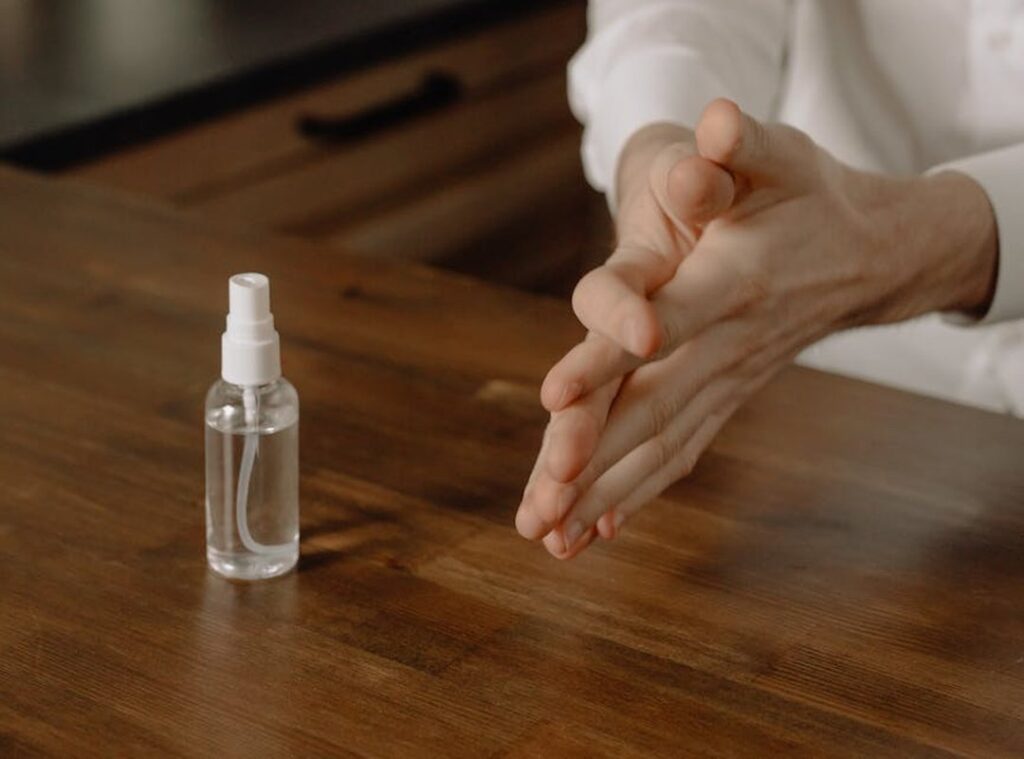
You want to fix the problem. Not create a new one.
You’re tired of choosing between pests and poison. Between stink and stress. Between what works and what’s safe.
So you searched Is Feduspray Safe (and) landed here.
Good. Because most answers are either too vague or straight from the label. I dug into the actual ingredients.
Checked EPA documents. Cross-referenced toxicity studies for every active compound.
No marketing fluff. No cherry-picked quotes.
Just facts. Plain language. Real-world context.
I’ve reviewed dozens of household sprays like this. Feduspray isn’t some mystery chemical cocktail. But it’s not harmless water either.
You’ll know exactly what’s in it. What it does to bugs. What it might do to your kid or your dog.
By the end, you’ll have a clear answer. Not maybe. Not probably.
Just yes or no.
What’s Actually Inside a Can of Feduspray?
this resource is an insecticide. Not a cleaner. Not an air freshener.
It kills bugs. Fast.
I’ve sprayed it in barns, garages, and behind pet enclosures. It works. But how it works matters more than most people check.
Here’s what’s actually in the can:
- Permethrin: It scrambles insect nerves on contact. Works on flies, gnats, and crawling pests.
- Piperonyl butoxide: It’s not toxic by itself (but) it stops bugs from breaking down permethrin. Makes the kill last longer.
That’s the active crew. The rest? Inactive ingredients.
Solvents. Propellants. Stabilizers.
They’re not “inert” (just) not the main weapon.
Some people react to those inactives. Skin rash. Tight chest.
Headache. Especially if you spray in a closed space and breathe it in.
Is Feduspray Safe? That depends on how you use it. And where.
And whether you read the label. Which most people don’t.
I once watched someone fog a chicken coop with no mask, no ventilation, then walk right back in five minutes later. (Spoiler: the chickens were fine. The person wheezed for two hours.)
Pro tip: Spray outdoors first. Let it dry. Then bring animals in.
Not the other way around.
You don’t need fancy gear. Just common sense. And maybe a fan.
The label says “keep away from pets.” It doesn’t say “ignore it until your dog licks the floor.”
Read it. Follow it. Or don’t use it.
Feduspray’s Active Ingredient: What You Actually Need to Know
I looked up the main active ingredient in Feduspray. It’s permethrin.
That word sounds harmless until you read the EPA fact sheet. Permethrin is a synthetic pyrethroid. It’s designed to kill insects by disrupting their nervous systems.
Humans and pets don’t process it the same way bugs do. But that doesn’t mean it’s harmless.
I’ve seen people shrug off permethrin like it’s just “natural bug spray.” It’s not. It’s lab-made. And it sticks around (on) surfaces, on skin, in carpets.
Skin contact? Can cause redness, itching, or a burning sensation. Inhaling it?
That’s where things get dicey. Coughing, wheezing, shortness of breath (especially) for people with asthma.
You’re probably wondering: What if my kid touches the couch after I sprayed? Or Why did my dog start twitching after I used it near his bed?
Cats are especially vulnerable. Their livers can’t break down permethrin well. Even small exposures (like) licking fur that brushed against a treated surface.
Can lead to tremors, seizures, or worse.
Dogs handle it better, but high doses still cause drooling, vomiting, or loss of coordination.
The CDC says most permethrin-related incidents happen from improper use. Not from following label directions. So yes (misusing) it is dangerous.
But using it as directed? Risk drops sharply.
Is this resource Safe? Only if you treat it like what it is: a pesticide. Not air freshener.
Not a casual wipe-down solution.
Don’t spray it near food. Don’t let kids or pets walk through wet areas. Ventilate the room.
Wash your hands.
One pro tip: If you’re using it indoors, skip the fogger version. Those aerosols hang in the air longer (and) you breathe them in deeper.
Feduspray Safety: Do It Right or Don’t Do It
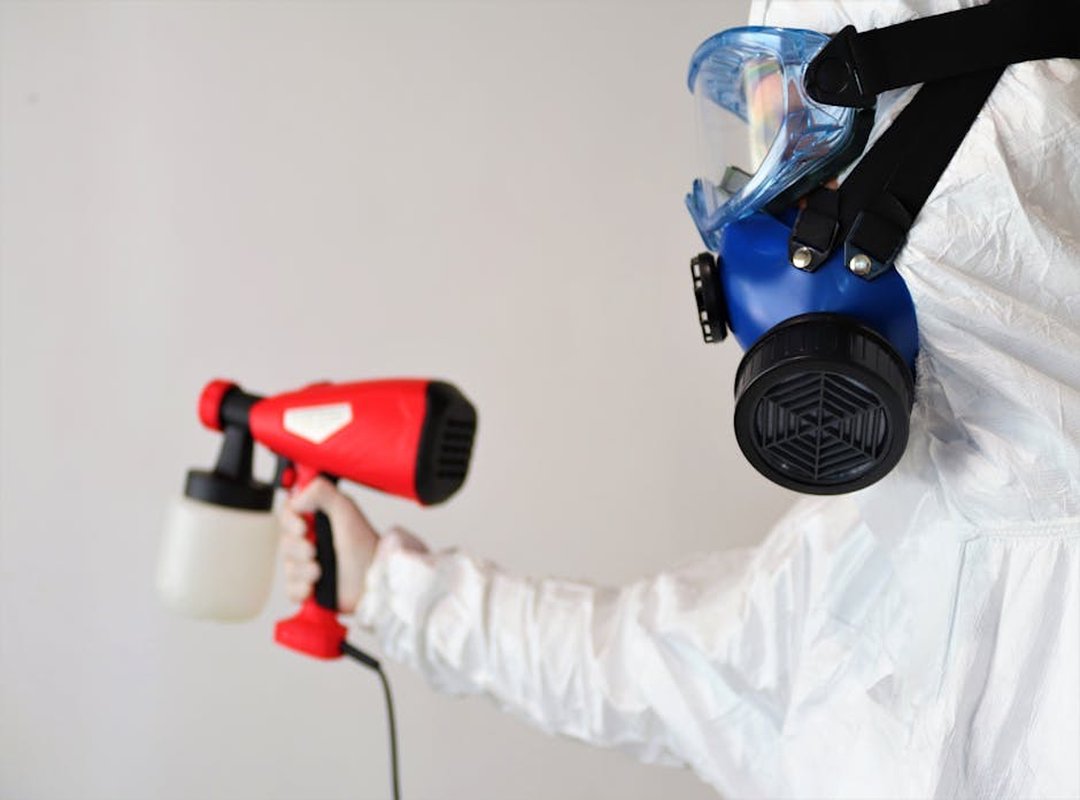
I’ve seen people spray Feduspray like it’s air freshener. It’s not.
Feduspray is a disinfectant, not a mood enhancer. If you skip steps, you’re not just wasting product. You’re risking skin irritation, respiratory upset, or worse.
Before you even pick up the bottle:
Read the entire label. Not the back panel. The whole thing.
Including the tiny print about dwell time. (Yes, that part matters.)
Remove pets and kids from the room. Not just “move them to the next room.” Get them out of the house if possible. Fish tanks?
Covered. Food prep surfaces? Wiped down then covered.
Windows open? Yes (even) in winter. Ventilation isn’t optional.
During use:
Wear gloves. The label says so. I wear them.
You should too. Spray from 12 (18) inches. Not six inches, not arm’s length.
And don’t drown the surface. A light, even coat works better than a soggy mess.
After spraying:
Leave. Seriously. Vacate the room for the full time listed on the label.
Usually 10 minutes minimum. Don’t peek. Don’t check your phone in there.
Just go.
Let the area dry completely before re-entering. No wiping. No fan-assisted drying.
Just air.
Then wash your hands. With soap. For 20 seconds.
Not a quick rinse.
Is Feduspray Safe? Only if you follow every step. Not most. Every.
Feduspray has clear instructions for a reason. They’re not suggestions. They’re guardrails.
I skipped step one once. Got a headache that lasted two days. Not worth it.
You don’t need fancy gear. You need attention.
Your hands will feel weird for a day.
Skip ventilation? You’ll smell it for hours. Skip gloves?
Do it right (or) don’t do it at all.
When Feduspray Crosses the Line
I’ve seen Feduspray used where it had no business being sprayed.
Asthma? Don’t use it. Not even with windows open.
Not even with a mask. It’s not worth the risk (and) yes, Is Feduspray Safe is the wrong question to ask first. Ask who’s breathing instead.
Exotic pets? Same answer. Birds, reptiles, and small mammals process airborne chemicals differently.
A mist that feels fine to you could shut down a parrot’s lungs in minutes.
Delicate surfaces? Feduspray leaves residue on leather, unfinished wood, and some plastics. That film isn’t just ugly.
It degrades over time. I wiped it off a vintage guitar case once. Took three rounds of isopropyl and a lot of regret.
So what do you use instead?
Diatomaceous earth works for ants and roaches. Sprinkle it along baseboards. It’s silent.
It’s physical. It doesn’t vaporize into someone’s inhaler.
For disinfecting non-porous surfaces, I mix 1 part white vinegar with 1 part water. It kills most household germs. Not hospital-grade.
But then again, your kitchen counter isn’t an ICU.
EPA Safer Choice products exist. They’re labeled clearly. Look for the green logo.
Not all “natural” sprays are safer. Some are just repackaged snake oil.
You don’t need Feduspray to solve every problem.
And if you’re still weighing options? Check the Feduspray Spray. But read the label before you click add to cart.
Feduspray Works. If You Do It Right
Is Feduspray Safe? Yes. But only if you follow the label.
Exactly.
You want something that kills pests without putting your kids or pets at risk. That’s why you’re here. Not for hype.
Not for shortcuts. For real safety.
Most accidents happen because someone skipped ventilation. Or missed the glove warning. Or sprayed near food prep areas (don’t do that).
The label isn’t fine print. It’s your checklist. Read it.
Then read it again.
Open windows. Wear gloves. Keep pets out of the room for the time listed.
Not “a little while,” not “until it smells better.”
This guide gives you that checklist. Clear. No guessing.
Your family doesn’t get a second chance with this stuff.
So before you spray (review) the safety checklist in this guide
to protect your family and pets with confidence.
 As a dedicated helper in building Animal Potty Care, Bella MacCarthy brings her expertise in pet training and behavior management to the platform. Her hands-on experience with a variety of pets has equipped her with the skills to develop effective resources and solutions for pet owners. Bella plays a key role in curating content that helps pet owners navigate the challenges of potty training and behavioral issues, ensuring that the platform remains a valuable tool for improving the lives of pets and their owners.