
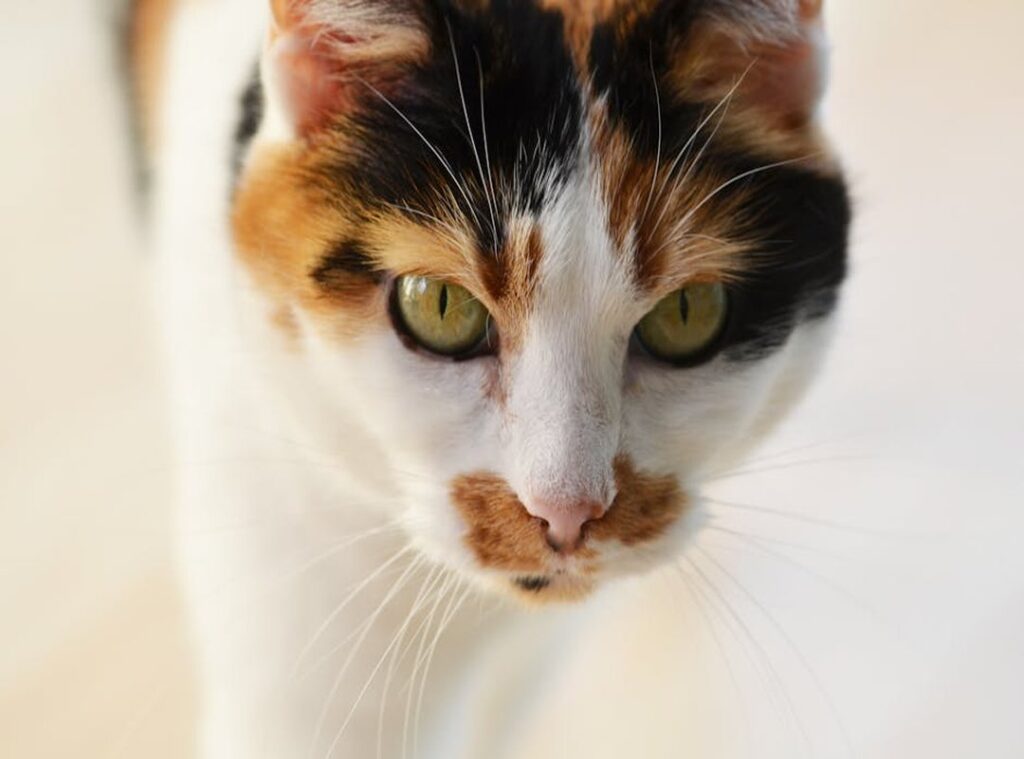
That first night home with your new cat? It’s equal parts magic and panic.
You’re grinning ear to ear (and) also Googling “why is my cat hiding under the bed” at 2 a.m.
What do I actually need to do? Is that litter box right? Is that food okay?
Why does she stare at me like I owe her money?
I’ve seen this exact moment hundreds of times.
Not in theory. Not from books. From real cats.
Real homes. Real messes.
This isn’t another vague list of “10 things every cat owner should know.”
It’s the Infoguide for Cats Llblogpet. A no-fluff, step-by-step walkthrough of what actually matters.
Feeding. Litter. Health signs.
Stress cues. What not to waste money on.
I cut through the noise so you don’t have to.
You’ll know what to do (and) why (by) the time you finish reading.
Cats Don’t Eat Like Dogs (and) That’s Non-Negotiable
I used to think “cat food is cat food.” Then my cat got urinary crystals. Vet said: “She’s dehydrated and eating too many carbs.”
Cats are obligate carnivores. That means they need animal protein to survive. Not just want it.
Not as a preference. Their bodies literally can’t make certain amino acids without meat.
Dry food is convenient. I get it. But it’s usually 10% water and 40%+ carbs.
Wet food? Around 75% water and actual meat first. No filler.
No mystery “meal” byproducts.
So why do people still feed dry? Cost. Habit.
The myth that it cleans teeth. (It doesn’t. Ask any vet who’s seen tartar on a dry-food-only cat.)
Hydration matters more than most owners realize. Urinary tract issues, kidney stress, constipation (all) linked to low water intake.
I keep three bowls around the house. One near her bed. One by the window.
One in the hallway. She drinks more when it’s not all in one spot.
A cat water fountain works even better. She treats it like a tiny indoor stream. (Yes, she judges my tap water.)
Free-feeding sounds easy. Just fill the bowl and walk away. But many cats overeat.
Or graze and never truly hydrate. Scheduled meals let you control portions and pair food with water.
You’re not failing if you switch methods. I did. Twice.
For real-world tips on portion sizes, timing, and spotting dehydration early, check out this Pet advice llblogpet 3 guide.
It’s not fluff. It’s what I wish I’d read before the vet bill.
The Infoguide for Cats Llblogpet helped me stop guessing. Start there.
Your Cat’s First 48 Hours: What Actually Matters
I set up my first cat’s space like it was a biohazard lab. Turns out, most of the panic is unnecessary.
A sturdy scratching post is not optional. It’s your couch’s lifeline. Skip it and you’ll be sanding claw marks off your dining chair by Tuesday.
Cats need vertical space. Not because they’re Instagram influencers (though some are). Because height = safety.
A cat tree or wall-mounted shelf gives them control. They watch. They decide when to engage.
You get fewer surprise pounces on your ankles.
I bought a $12 bed. My cat slept in the cardboard box instead. That’s fine.
The box is warm, enclosed, and smells like you. Don’t overthink the bed.
Here’s what will ruin your day:
- Lilies. One leaf can shut down a cat’s kidneys. Remove them. Now.
- Exposed cords. Tape them down or use cord covers. Cats chew for texture, not malice.
Playtime isn’t cute fluff. It’s non-negotiable mental maintenance.
I use a feather wand for 10 minutes twice a day. No exceptions. If you skip it, your cat may start attacking your toes at 3 a.m.
(Yes, I’ve been there.)
Puzzle feeders beat bowls every time. They mimic hunting. My cat spent 22 minutes working a simple ball feeder.
That’s focus. That’s calm.
The Infoguide for Cats Llblogpet helped me spot gaps I missed. Like how easily string toys become choking hazards.
You don’t need ten toys. You need two good ones and consistency.
And yes. That carrier should live in your living room before the vet visit. Let your cat nap in it.
Sniff it. Own it.
Litter Box Rules: No Guesswork, Just Results
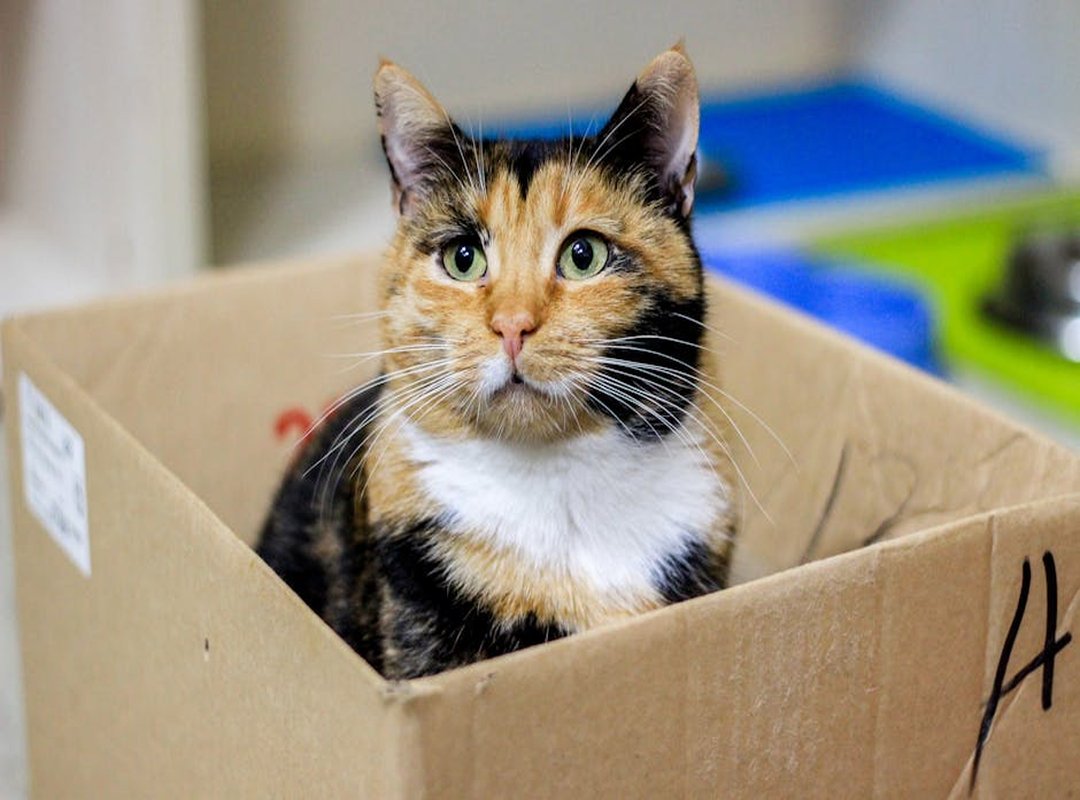
One litter box per cat. Plus one extra. That’s not a suggestion.
It’s the only rule that stops 80% of avoidances before they start.
I’ve watched too many people ignore this and then panic when their cat pees on the couch. (Spoiler: it’s rarely spite.)
Place boxes in quiet spots. Not next to the washing machine. Not beside the food bowl.
Cats won’t pee where they eat or drink. It’s basic biology. Not preference.
They need privacy. Not performance art.
Clumping clay works. It’s cheap and effective (but) dusty, and it doesn’t biodegrade. Silica gel traps odor well but feels weird under paw.
Natural litters (like) pine or wheat. Break down fast, but some cats hate the texture. Try one for two weeks.
If your cat walks away, swap it. Don’t argue with the cat.
Scoop every day. No exceptions. I mean it.
Even if you’re tired. Even if it’s 11 p.m. and you just remembered.
Deep clean the box once a week. Scrub with warm water and mild soap. No ammonia.
No bleach. Those smells mimic urine to cats (and) tell them this is a toilet, not a place to dig.
Skip this schedule? You’ll get avoidance. Then stress.
Then vet bills.
If your cat suddenly stops using the box. Go to the vet first. Urinary tract infections hurt.
They’re common. And they’re silent until it’s urgent.
You wouldn’t ignore chest pain in a human. Don’t ignore it in your cat.
For more detail on spotting early signs and avoiding common pitfalls, check out the Infoguide for Cats Llblogpet.
**Scoop daily. Vet first. One box per cat.
Plus one.**
That’s all you need to know. Start there. Not later.
Now.
Stop Waiting for the Crisis
I take my cat to the vet before anything feels off. Not after she stops eating. Not after she hides for three days.
Before.
That first visit sets the baseline. Vaccines. Fecal test.
Flea and tick plan. It’s not optional. It’s how you catch problems early (like) kidney trouble or diabetes.
When they’re still manageable.
Watch her closely. Does she drink more water than last month? Is she using the litter box less.
Or more (than) usual? Has she started sleeping in the closet instead of on your pillow?
Those aren’t quirks. They’re signals.
Brush her at least twice a week. Use a metal comb, not just a brush. Mats pull skin.
They hurt. And yes, she’ll hate it at first (so did my cat, until she realized it meant fewer tangles and zero vet trips for shaving).
Grooming isn’t about looks. It’s about catching lumps, sores, or dry patches while they’re small.
Don’t wait for the emergency. You’ll pay more. And she’ll suffer more.
If you want the same kind of clear, no-fluff guidance for birds, check out the Infoguide for birds llblogpet 2.
You’re Ready to Be the Cat Parent Your Cat Needs
I’ve been there. Staring at a bag of kibble like it’s a riddle. Wondering why your cat ignores the $80 tower but naps in the cardboard box.
You wanted to do right by your cat. Not guess. Not wing it.
Not feel guilty every time they sneeze or skip the litter box.
Now you know the four things that actually matter: food, space, litter, and vet basics.
That’s it. No fluff. No jargon.
Just what keeps cats safe, calm, and connected to you.
Master these. And everything else gets easier. The purring starts.
The trust builds. The weird midnight zoomies become endearing instead of alarming.
Infoguide for Cats Llblogpet gave you the foundation. Not theory. Not trends.
Real stuff that works.
Your first step? Pick one thing (like) setting up a water station away from the food. And do it today.
You’ll feel better. Your cat will too.
 As a dedicated helper in building Animal Potty Care, Bella MacCarthy brings her expertise in pet training and behavior management to the platform. Her hands-on experience with a variety of pets has equipped her with the skills to develop effective resources and solutions for pet owners. Bella plays a key role in curating content that helps pet owners navigate the challenges of potty training and behavioral issues, ensuring that the platform remains a valuable tool for improving the lives of pets and their owners.