
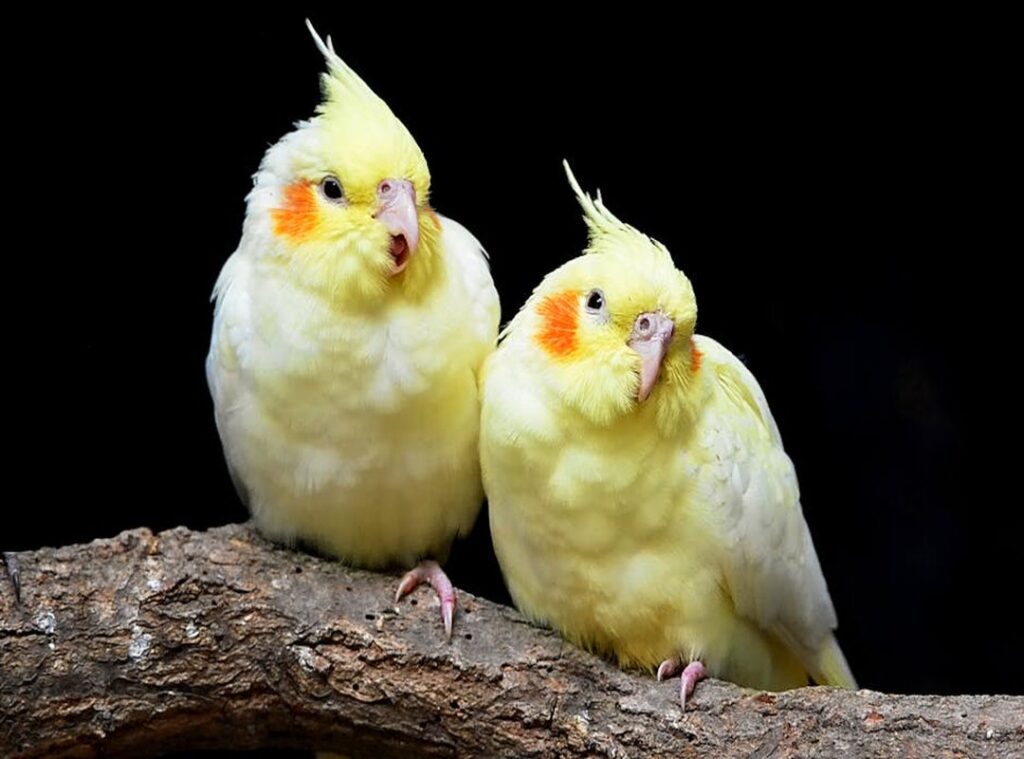
You’re holding your breath.
That first time you bring a bird home? It’s equal parts joy and panic. Did you buy the right cage?
Is that seed mix actually okay? What if it stops talking?
I’ve been there. And I’ve watched too many birds suffer from simple mistakes (mistakes) no one warned us about.
This Infoguide for Birds Llblogpet isn’t theory. It’s what works. Every day.
With real birds. In real homes.
I’ve cared for birds nonstop for over twelve years. Not in labs. Not in books.
In kitchens, living rooms, and sunrooms (where) birds live and mess up and surprise you.
No fluff. No guesswork. Just housing that keeps them safe.
Food that keeps them alive (not just breathing). Enrichment that stops boredom before it starts.
Health signs you can spot early. Not after the vet bill hits.
You’ll walk away knowing exactly what to do (and) why it matters.
Your Bird’s Cage Isn’t a Jail Cell
It’s their sanctuary. Their basecamp. Their whole world.
I’ve watched birds pace tiny cages for years. It breaks me. Bigger is better.
No debate.
Finches need at least 24 inches wide. A single cockatiel? Minimum 24x24x30.
Macaws? 36x48x60 (and) that’s small for them. (Yes, really.)
Bar spacing matters more than most people check. Too wide and your budgie slips through. Too narrow and your conure can’t stretch. 1/2 inch for finches and canaries. 3/4 inch for cockatiels and ringnecks.
Larger parrots need 1 inch or more.
Perches aren’t optional. They’re non-negotiable. I use three natural wood perches (different) diameters.
In every cage. Feet need exercise. Flat plastic bars don’t cut it.
Food and water dishes must be sturdy. No flimsy plastic that tips over. Stainless steel only.
Clean daily. Not “when I remember.”
Location? Put the cage where your bird sees life. Not tucked in a closet or behind the couch.
But keep it away from windows with direct sun (heatstroke risk), drafty doors, and the kitchen (Teflon fumes kill birds in minutes).
You think your bird doesn’t notice the microwave beep? They do. They notice everything.
The Pet Advice Llblogpet has a solid checklist for setup (use) it before you buy.
Infoguide for Birds Llblogpet covers bar spacing charts I wish I’d seen earlier.
Don’t buy the cheapest cage on Amazon. You’ll replace it in six months.
Your bird won’t thank you. But they’ll thrive.
That’s enough.
Beyond the Seed Bowl: What Your Bird Actually Needs
I used to feed my cockatiel nothing but sunflower seeds. He loved them. He also started losing feathers and breathing harder by age four.
That’s not normal.
And it’s not rare.
An all-seed diet is nutritionally bankrupt. Seeds are high in fat, low in calcium, vitamin A, and amino acids. They’re like feeding your kid candy for breakfast.
Fun, yes, deadly over time.
Switch to high-quality formulated pellets. Make them 60. 70% of the daily intake. Not “some” pellets.
Not “a sprinkle.” The base. The foundation. The main event.
Then add fresh food. Every single day. Leafy greens (kale, romaine), orange veggies (carrots, sweet potato), bell peppers, blueberries, apple (no seeds).
Chop small. Rotate often. Skip the iceberg lettuce.
It’s water with delusions of grandeur.
Toxic foods? Zero tolerance. Avocado
Chocolate
Caffeine
Alcohol
Onions
One bite of avocado can kill a small bird in under two hours. Yes, really. (Source: Avian Medicine and Surgery, 2019)
Water matters just as much. Change it daily. No exceptions.
Use stainless steel bowls or vacuum-style water bottles (no) plastic nozzles that trap slime. If you see algae, toss it. Scrub it.
Start over.
This isn’t about perfection. It’s about consistency. You don’t need fancy gear or expensive supplements.
Just real food, clean water, and the guts to stop pouring that seed mix into the bowl.
The Infoguide for birds llblogpet 2 covers this exact shift (step) by step, no fluff, no jargon.
Your bird won’t thank you today.
But they’ll live three years longer because of it.
Enrichment and Socialization: The Keys to a Happy Bird
Birds don’t just sit there. They watch. They listen.
They notice when you pause mid-sentence.
I’ve watched a cockatiel tilt her head at the fridge hum. Then mimic the exact pitch when the compressor kicks on. That’s not cute.
That’s intelligence on high alert.
And if that intelligence isn’t used? It turns inward. Feather plucking isn’t vanity.
It’s boredom with teeth.
Foraging is not optional. It’s how birds eat in the wild (searching,) tearing, flipping, pulling. Not grabbing pellets from a bowl.
So I tape a walnut in its shell to the side of the cage. I tuck millet sprays under folded paper. I hang a cardboard tube stuffed with shredded paper and a treat inside.
Shredding toys matter most. Paper, balsa wood, palm fronds. Things they can destroy with their beaks and feet.
Not just chew. Destroy.
Rotate toys every 3. 4 days. Not because the bird forgets them (but) because you stop noticing when they’re ignored.
Out-of-cage time? Non-negotiable. One hour minimum.
In a room with windows covered, fans off, no open toilets, no dangling cords.
That’s where real bonding happens. Not during training (during) shared silence while you read and they preen on your shoulder.
Talk to them like they’re in the conversation. Offer a slice of apple. No salt, no avocado, no chocolate (yes, people still try).
Train for 90 seconds. Then stop. Let them choose to step up.
Or not.
You’ll know it’s working when they whistle your ringtone back at you.
The Infoguide for Birds Llblogpet covers this in more depth. Especially the part about toxic household items disguised as toys.
Skip the glittery plastic bells. Go for willow wreaths. Your bird will thank you with fewer screams and more soft chirps at dawn.
Birds Don’t Do Sick Days: Spot It Before They Shut Down
I check my bird every morning. Not out of habit (because) they lie about being sick.
They hide illness like it’s a survival skill. (It is.)
So daily observation isn’t optional. It’s the only way you’ll catch trouble early.
Here’s what I watch for (no) fluff, just red flags:
- Changes in droppings (color,) consistency, frequency
- Fluffed-up feathers all day
- Lethargy or less talking/singing
- Skipping meals (even) favorite treats
- Any discharge from eyes or nostrils
If you see two of those? Call an avian vet now. Not tomorrow.
Not after work.
Find one before crisis hits. Most general vets can’t handle birds. Seriously (ask) for board-certification in avian medicine.
Annual check-ups matter too. Even if your bird looks perfect. Because “perfect” often means “already hiding something.”
You wouldn’t wait for smoke to call the fire department.
Why wait for a crisis to find the right vet?
Infoguide for Kittens Llblogpet covers similar early-warnings (same) logic applies.
Put Your Bird’s Well-Being Into Action Today
I’ve laid out the four things that actually matter: a proper home, real food, daily play, and watching for small changes.
It’s not about perfection. It’s about showing up (consistently.)
You don’t need to fix everything at once. Just pick one thing. Right now.
That new vegetable? Try it today. That toy your bird ignores?
Swap it now.
Small moves add up. Fast.
You’re tired of guessing what’s “good enough.” This isn’t guesswork anymore.
The Infoguide for Birds Llblogpet gives you clear steps (not) theory.
So go ahead. Pick one tip. Do it before dinner.
Your bird notices. You’ll feel it too.
 As a dedicated helper in building Animal Potty Care, Bella MacCarthy brings her expertise in pet training and behavior management to the platform. Her hands-on experience with a variety of pets has equipped her with the skills to develop effective resources and solutions for pet owners. Bella plays a key role in curating content that helps pet owners navigate the challenges of potty training and behavioral issues, ensuring that the platform remains a valuable tool for improving the lives of pets and their owners.