
Why Fun Changes Everything in Training
Most pets don’t thrive under pressure. They learn best when they’re relaxed, engaged, and curious. That’s where play comes in. It taps into a pet’s natural instincts chasing, sniffing, solving, connecting. It’s not fluff. It’s functional.
Play sparks attention without forcing obedience. A puzzle toy, a tug rope, or a round of fetch becomes more than just a break it’s a learning moment in disguise. It unlocks curiosity, and when animals explore without fear, they retain more. No yelling, no harsh commands, just active participation.
It also builds trust. When owners get on the pet’s level, arms open, game face on, walls drop. This consistent, low pressure interaction cements the bond. The result? Better behavior, less stress, and a routine that both sides look forward to. Play teaches pets to associate learning with fun and that’s when real progress begins.
Understanding the Science Behind Play
Training becomes far more effective when you engage a pet’s brain chemistry. Play isn’t just a bonding tool it’s a learning catalyst driven by science. Here’s why:
Dopamine: The Learning Signal
Dopamine, a feel good neurotransmitter, plays a key role in motivation and memory formation. When pets experience success during playful activities, their brains release dopamine, reinforcing the behavior:
Every successful fetch or puzzle solved is followed by a dopamine hit
This release promotes positive emotion and learning retention
Play becomes associated with achievement, encouraging future participation
Repetition + Reinforcement = Results
Play based training taps into the power of repetition without monotony. When pets engage in repeatable, enjoyable tasks, they naturally begin to learn and retain commands:
Repeating games like hide and seek can lock in recall cues
Tug of war helps reinforce “drop it” or “leave it” commands consistently
Positive reinforcement layered into games strengthens learned behaviors
The Power of Mental Stimulation
A mentally active pet is a better behaved pet. Just like humans, animals benefit from daily cognitive challenges that exercise the brain:
Puzzle toys sharpen decision making and critical thinking
Scent games stimulate the brain’s olfactory system and encourage focus
Regular, playful stimulation decreases destructive boredom related behavior and anxiety
By incorporating science backed strategies like dopamine rewards, structured repetition, and cognitive enrichment, play becomes more than fun it becomes your most effective training tool.
Types of Games That Teach
Play isn’t just downtime it’s hands on training with bite sized lessons built in. The key is choosing games that align with what you’re trying to teach.
Fetch is more than just chasing a ball. It builds recall and basic obedience. Repeating the cycle throw, retrieve, return, release tightens communication and reinforces commands like “come” and “drop it.” Just keep it upbeat and consistent. The routine is its own teacher.
Puzzle toys work like mental gym sessions for your pet. Whether it’s sliding panels, hidden treats, or twist off lids, these games sharpen problem solving instincts. They help pets learn patience and focus, especially when the reward is tasty and earned through effort.
Tug of war might look like chaos, but it’s a lesson in control. Pausing mid game to ask for a “drop it” or a “sit” teaches impulse management in real time. It’s cooperation wrapped in intensity, and it teaches pets how to regulate when excited.
Scent games tap into your pet’s natural tracking instincts. Hiding treats around the house or yard and encouraging them to “find it” builds focus, independence, and confidence. This isn’t just fun it’s real cognitive work that wears them out in a good way.
The right play teaches without pressure. It molds behavior through enthusiasm, not force.
Tailoring Play to Fit Your Pet
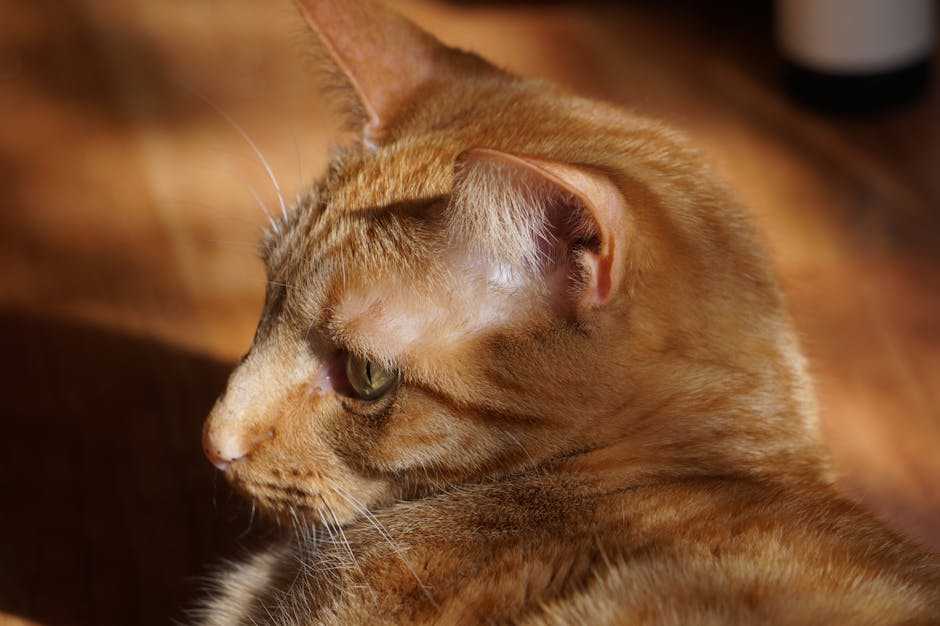
Not all pets play the same or learn the same way. A border collie needs mental stimulation and high output games to stay focused. Your senior tabby? She might prefer a feather wand session on the couch. Small mammals like rabbits or ferrets enjoy hide and seek style play that taps into their natural instincts. One size fits all doesn’t work when it comes to training through play.
Breed, age, and energy level matter. High energy dogs often benefit from structured fetch or agility work. Older pets may do better with slower games like scent tracking or food puzzles. Even within species, personalities vary. Some pets need challenge, others need calm. The key is watching what sparks their attention and sustain it.
Training through play isn’t just about fun. It’s about matching the method to your pet’s individual learning style. When you get that alignment right, progress happens faster and sticks longer. Explore custom training methods that help make the most of your pet’s natural tendencies.
Measuring Progress Through Play
Not every tail wag or excited bark means your pet’s actually learning. Real progress shows up when the cue clicks and your pet starts to anticipate what’s expected without hesitation. Watch for those small signs: quicker responses, less confusion, new behaviors sticking even in distracting environments. These are your green lights it means the game is working.
When stuff feels too easy or your pet starts losing interest, that’s your sign it’s time to level up. Push the challenge just slightly add a twist to the fetch routine, increase puzzle difficulty, or make scent games more complex. Keep the brain guessing, but not overwhelmed. And if frustration shows? That’s your cue to scale it back or switch the format.
Play itself is both the method and the reward. Nail the behavior, get a round of tug or a treat hidden in a toy. It reinforces without feeling like work. So don’t just train, play smart and track the tiny wins that prove your pet’s really getting it.
Boosting Discipline Without Losing Joy
Fun doesn’t mean chaos. In fact, the best play based training uses structure to build patience, focus, and calm behavior. Boundaries aren’t just rules they’re frameworks that help your pet know what’s okay and what’s not. Think of it like a game with invisible walls: stay within them, and the fun keeps going.
Start simple. Turn basic manners into part of the play. A calm sit before tossing a ball, or waiting at an open door before a walk, teaches control without killing the vibe. Tug can help teach release commands. Hide and seek builds recall and trust. Everything becomes a chance to practice real life behavior, without the stress of rigid formal training sessions.
These games blur the line between learning and fun. And when you’re working with the right methods ones tuned to your pet’s style the training sticks.
Discover how custom training methods can keep the experience both structured and enjoyable. Discipline doesn’t need to be boring and play doesn’t mean letting go of rules.
Real Life Wins from Play Based Training
Sometimes the best proof is a happy tail wag or a relaxed purr. Take Max, a high energy lab who couldn’t hold a sit for more than a second. After weeks of traditional correction based training with minimal progress, his behavior took a turn for the better when his owner switched gears. Using daily games of hide and seek and fetch that involved commands and rewards, Max started locking in on instructions and enjoying them. The difference? He wasn’t just obeying; he was engaged.
Or look at Lilo, a rescue cat with extreme anxiety around people. Her foster family used chase the feather routines combined with clicker cues, slowly introducing calm interactions within these play sessions. Within a month, Lilo had gone from hiding under the couch to curling up beside her foster parent.
Play taps into something deeper. It’s instinctual, non threatening, and clear. Pets learn fast when the environment is enjoyable and the feedback loop is immediate. Play removes the pressure while sharpening listening skills and improving recall. More than that, pets exposed to fun based training tend to develop better impulse control and stronger bonds with their humans.
Lasting behavior change doesn’t come from fear or force. It comes from patterns and rewards that align with how animals naturally operate. You make learning feel more like play and in doing so, make it stick.
Final Thought: Train Happy, Live Harmoniously
A Well Exercised Mind Is a Well Behaved Pet
Mental stimulation is just as important as physical exercise for pets. Just like humans, animals need ongoing engagement to feel fulfilled and cooperative. When a pet’s brain is active and challenged through daily play and learning, behavioral issues decrease and overall happiness improves.
Mental fatigue can tire out energetic pets faster than a long walk
Engaged pets are less likely to resort to destructive or anxious habits
Play helps redirect energy into productive behaviors
Why Play Is More Than Just Fun
Training through play isn’t indulgence it’s strategic. The joy of play forms strong neural pathways that accelerate learning and boost retention. When pets associate positive emotions with training, they’re more likely to repeat desired behaviors.
Play becomes:
A teaching tool that delivers results without stress
A way to reinforce good behavior consistently
A trust building ritual between pet and owner
Strategic, joy based play helps foster lifelong habits that stick.
In Summary
Fun based training isn’t a trend it’s a powerful shift in how we communicate with our animals. It turns obedience into a game and learning into a shared adventure. When you lead with joy and reinforcement, you build a relationship rooted in trust, making every training moment count.
Train with joy, and the results will follow.
 Rudylier Alejandrosh, the visionary founder of Animal Potty Care, created the platform out of a deep passion for improving pet care solutions and enhancing the relationship between pets and their owners. With years of experience as a dedicated pet enthusiast, Rudylier recognized the challenges pet owners face in managing their pets' behavior, especially in areas like potty training and travel care. His commitment to making pet ownership easier and more enjoyable is reflected in the resources and guidance provided on the platform, which empowers pet owners with practical tips, innovative solutions, and a better understanding of their pets' needs.