
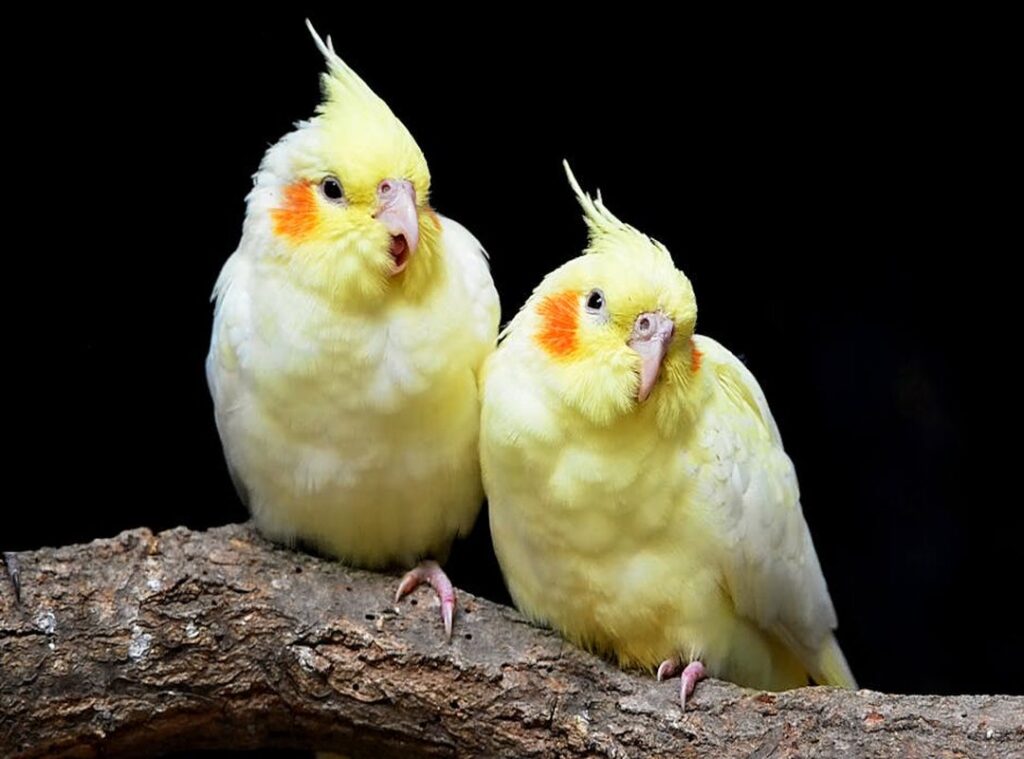
That first day home with your bird? Pure magic.
Then reality hits. You stare at the cage and think: What the hell do I actually do now?
I’ve been there. And I’ve watched too many people panic over conflicting advice online.
This isn’t another vague blog post full of guesses.
I’ve cared for birds daily for over twelve years. Helped hundreds of new owners stop stressing and start succeeding.
You’ll get a real plan. Not theory. One that works.
The Infoguide for Birds Llblogpet cuts through the noise.
It’s built on four things that actually matter: habitat, nutrition, enrichment, and health awareness.
No fluff. No jargon. Just what keeps birds alive and happy.
By the end, you’ll have a clear, actionable checklist.
One you can use today.
The Foundation: Building a Bird’s Real Home
I bought my first cockatiel in 2018.
She spent three days hiding in the corner of a cage I thought was “fine.”
It wasn’t fine.
That cage had bars spaced too wide. She got her foot stuck twice. I didn’t know bar spacing mattered until she yelped.
Wingspan clearance matters more than you think (your) bird needs room to fully stretch both wings without hitting anything.
Bar spacing? Never more than ½ inch for small birds. Larger birds need wider, but never so wide they can squeeze through or trap a head.
And skip the painted cages. Zinc and lead coatings are poison. Go for stainless steel or powder-coated (non-toxic certified) only.
Cage placement isn’t about convenience. It’s about safety. Put it near where you spend time.
Birds are social. But away from windows with direct sun (heat stroke), drafty doors (respiratory stress), and especially the kitchen. Teflon fumes kill birds in minutes.
No joke.
Perches are not decorative. They’re foot healthcare. Dowel perches?
Flat-out bad. They cause bumblefoot and arthritis over time.
Use at least three perches: natural wood (varying diameters), rope, and maybe a cement perch for nail wear. Your bird’s feet should grip differently on each one. That’s how they stay strong.
Food bowls, water bowl, cuttlebone (non-negotiable.) Toys? Not optional. Not “nice to have.”
You need at least four: one foraging, one shredding, one preening, one that moves or makes noise.
Rotate them weekly. Boredom leads to screaming, plucking, aggression. I learned this after my second bird started pulling chest feathers.
It stopped the week I swapped out toys every Sunday.
The Pet Advice Llblogpet has a solid starter list. Though I still cross-check every toy against the Avian Welfare Coalition’s safety database.
Natural wood perches beat dowels every time.
No debate.
Infoguide for Birds Llblogpet is decent for beginners. But don’t skip vetting materials yourself. Birds don’t read manuals.
You do.
Fueling a Lively Life: Birds Don’t Thrive on Seeds Alone
I used to feed my cockatiel nothing but sunflower seeds. He loved them. He also got fatty liver disease at age 4.
An all-seed diet is like feeding your kid only potato chips and candy. It’s not nutrition. It’s a slow burn.
Seeds are high in fat, low in calcium, vitamin A, and iodine.
They’re missing everything that keeps feathers shiny, bones strong, and immunity sharp.
So I switched.
And it changed everything.
High-quality formulated pellets should make up 60 (70%) of the diet. Not just any pellet (look) for ones with whole foods listed first (like ground brown rice or alfalfa), no artificial dyes, and no sugar. If it glows neon pink?
Put it back.
Then add fresh food. Daily. Not as a treat.
As part of the meal.
Safe & Healthy Fresh Foods:
- Vegetables: kale, spinach, carrots, bell peppers
- Fruits: blueberries, cantaloupe, apple slices (no seeds (they) contain cyanide)
Avocado? Toxic. Chocolate?
Toxic. Caffeine? Alcohol?
Onion? All toxic. Don’t test this.
Just don’t.
Water isn’t optional.
It must be fresh, clean, and changed every single day.
Use stainless steel bowls. Plastic scratches easily. Bacteria love those grooves.
I swapped mine years ago. No more mystery infections.
This isn’t about perfection. It’s about consistency. One good meal a day builds up.
The Infoguide for Birds Llblogpet lays this out clearly. No fluff, no jargon, just what works.
You’ll notice brighter eyes in under two weeks.
I promise.
Beyond the Cage: What Your Bird Actually Needs
Birds aren’t decorations. They’re smart, social, and wired to interact. Not sit still.
I’ve watched too many birds pace their cages, scream for attention, or pluck feathers because someone thought “food + water + a swing” was enough.
It’s not.
They need routine. Same feeding time every day. Same play window.
Same lights-out moment. Predictability isn’t boring. It’s safety.
You want trust? Start with consistency.
Out-of-cage time isn’t optional. It’s non-negotiable. But don’t just open the door and hope.
First: bird-proof the room. Cover windows (they’ll fly into glass (every) time). Close doors.
I go into much more detail on this in Infoguide for Kittens.
Unplug cords. Remove toxic plants. And yes (hide) that avocado slice you left on the counter.
(Avocado kills birds. Fast.)
Then: talk softly. Offer a piece of apple. Not seed, not bread (just) apple.
Let them choose to step up. Don’t force it.
Try target training. A chopstick, a pen tip (hold) it near their beak. When they touch it, click (or say “yes”) and give a tiny treat.
It builds confidence. Not magic. Just respect.
Sleep is where most people fail. Birds need 10. 12 hours of total darkness and silence. No hallway light sneaking in.
No TV hum. A cage cover helps (but) only if your bird accepts it. Some panic.
Test it slowly.
And if you’re cross-referencing care across species? The Infoguide for Cats Llblogpet has surprisingly useful baseline hygiene notes. Though birds need way more mental work.
Skip the cover if your bird hates it. Try moving the cage to a quieter room instead.
You’ll know it’s working when they nap on your shoulder. Not just your hand.
Birds Don’t Do Sick Days: Here’s Why You Miss It
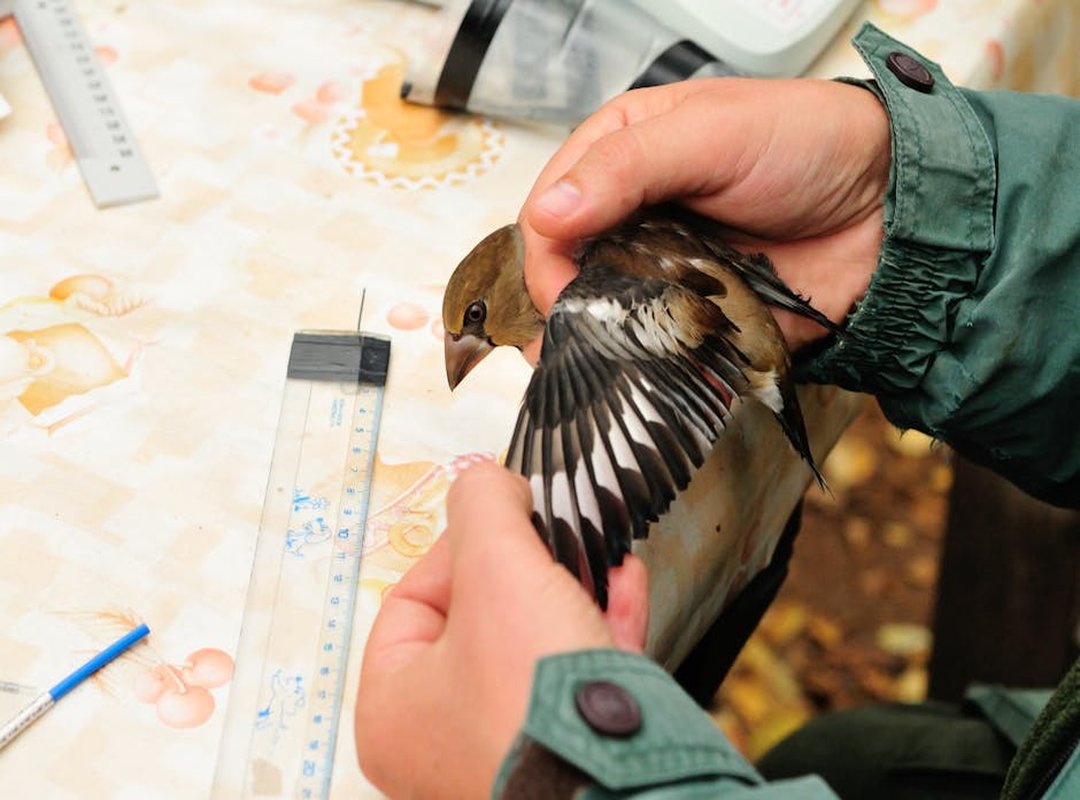
I’ve watched birds die because no one noticed the warning signs. They’re prey animals. Hiding illness is hardwired into them.
Not dramatic. Not optional. Survival.
If your bird looks off, it’s already too late to wait. You’re not imagining things. You’re not overreacting.
You’re probably the only person who’ll catch it in time.
Watch for these daily:
- Droppings that change color, texture, or frequency
- Fluffed-up feathers when it’s not cold
- Sitting low on the perch, eyes half-closed
- Skipping meals or dropping food
- Tail bobbing or open-beak breathing
None of these mean “maybe see a vet.”
They mean call one now.
Find an avian vet before the emergency. Not after. Not during.
Before.
This isn’t diagnosis. It’s awareness. And if you’re worried?
Go. Just go. That’s why I keep the Infoguide for Birds Llblogpet bookmarked.
You’re Ready to Be the Bird Parent They Need
I’ve been there. That first morning staring at the cage thinking What did I just sign up for?
It feels overwhelming. Like you need a degree in ornithology before filling a food bowl.
You don’t.
The Infoguide for Birds Llblogpet strips it down to what actually matters: a safe space, real food, and time with you.
That’s it.
No guesswork. No panic over every chirp.
Your bird isn’t waiting for perfection. They’re waiting for consistency.
So pick one thing this week. Swap in a fresh vegetable. Hang a natural-wood perch.
Just do one thing from the guide today.
You’ll feel the shift immediately.
And that bond? It’s already forming. You just didn’t notice yet.
Start now.
 As a dedicated helper in building Animal Potty Care, Bella MacCarthy brings her expertise in pet training and behavior management to the platform. Her hands-on experience with a variety of pets has equipped her with the skills to develop effective resources and solutions for pet owners. Bella plays a key role in curating content that helps pet owners navigate the challenges of potty training and behavioral issues, ensuring that the platform remains a valuable tool for improving the lives of pets and their owners.