Know What You’re Getting Into
Potty training isn’t automatic. Puppies don’t come pre wired with rules about carpets, hardwood floors, or backyard schedules. They’re basically toddlers with paws curious, clumsy, and totally unaware of where they should or shouldn’t go.
That’s where your role comes in. Training takes time and repetition. Some days feel like breakthroughs. Others feel like you’re just following a tiny tornado around with paper towels. That’s normal. It’s a process built on going slow, staying calm, and showing up again tomorrow.
And here’s the thing: no two puppies learn at the same pace. Some catch on in days. Others may need a few weeks or even longer. Consistency from you is what makes the difference. So before any wins show up, expect mistakes, missed signals, and lots of patience. That foundation now pays off big later.
You’re not just teaching them a routine. You’re building trust, structure, and a rhythm both of you can rely on.
The Dos That Make a Difference
Potty training your puppy isn’t rocket science, but it does take steady habits. Start with a schedule same times every day for meals, walks, and bathroom breaks. Dogs thrive on routine, and your consistency helps their bodies adapt.
When your pup gets it right, celebrate. A treat, some praise, maybe a favorite toy positive reinforcement keeps motivation high. Pick one spot outside to use as the go to potty zone. Familiar smells and repetition trigger their instincts.
Watch for the signs. If your puppy starts sniffing, circling, or whining, it’s go time. Getting them out fast prevents accidents and locks in the habit.
Crate training is your friend. It’s not a cage it’s structure. A properly sized crate gives your pup a safe space to chill and helps with bladder control.
And when there is a mess (there will be), clean it thoroughly. Lingering odors invite repeat performances. An enzymatic cleaner will do the heavy lifting.
Potty training takes effort, but it pays off. For more tried and true advice, check out these essential puppy training dos.
The Don’ts New Pet Parents Need to Avoid
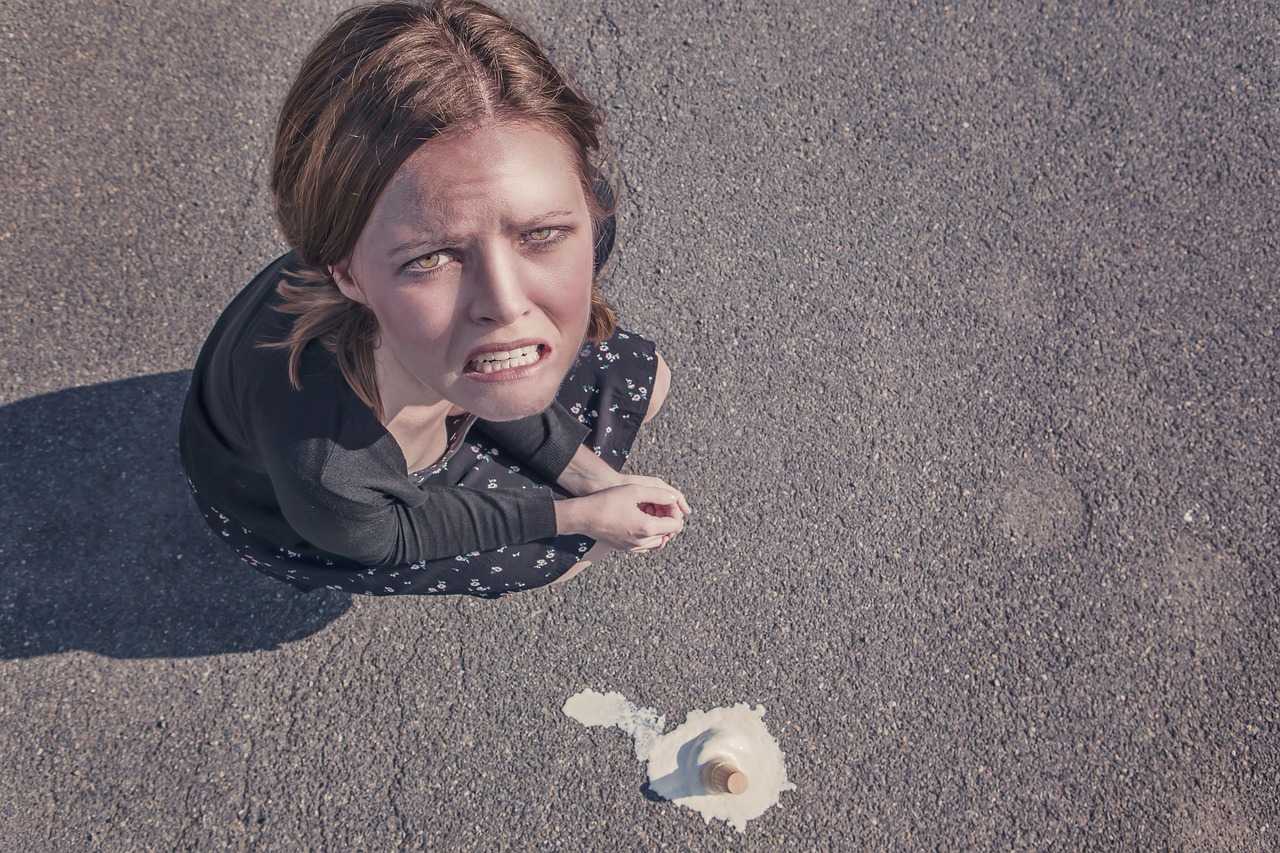
Even the most caring puppy parents can make mistakes that slow down potty training. Here are the most common missteps to watch out for and why they matter.
Avoid These Common Pitfalls
Don’t punish accidents
Yelling or scolding after a potty accident may seem effective, but it only creates confusion and fear. Your puppy won’t associate punishment with the mistake they’ll just feel anxious around you.
Don’t leave your puppy unsupervised for long
A young puppy doesn’t have the bladder control of an adult dog. When left alone for too long, accidents are almost guaranteed. Limit unsupervised time and use crates or playpens to support success.
Inconsistent routines lead to setbacks
Puppies thrive on routine. Feeding, walks, and potty breaks should follow a predictable schedule. Otherwise, you risk regression due to mixed signals.
Avoid scented cleaners
Many cleaning products mask smells for humans but leave behind traces recognizable to dogs. These lingering scents may actually encourage repeat accidents in the same spot. Use enzyme based cleaners designed for pet messes.
Don’t hit the panic button if progress stalls
Potty training isn’t a straight line. Some days will feel like setbacks but that’s totally normal. Stay calm, reassess your routine, and keep reinforcing good behavior consistently.
Stay Focused on the Long Game
It’s tough at times, but avoiding these don’ts will save you and your puppy a lot of frustration. Patience and consistency are key. Want more tips on what to avoid and what to double down on? Check out this full list of puppy training dos and don’ts.
Tools and Tips That Actually Help
Set a timer, and stick to it. Puppies don’t come with internal calendars, so you’ll need to create one. Use phone alarms or smart home reminders to prompt regular potty breaks especially right after meals, naps, or play.
If you’re using potty pads, be cautious. They can create confusion if overused. Use them as a stepping stone, not a permanent solution. Start near the door, then slowly move them outside to help your pup connect the dots.
Tracking helps too. Whether it’s a simple notebook, a notes app, or a dog training tracker, logging bathroom successes (and misses) gives you a sense of progress and pattern. It also helps you stay consistent when life gets busy.
If frustration creeps in and it might don’t hesitate to call in backup. A local trainer can help troubleshoot issues that aren’t so obvious. You’re not failing. You’re just learning alongside your pup, and at some point, everyone needs a guide.
Build the Right Habits Early
Creating consistent potty training habits isn’t just about avoiding messes it’s about setting your puppy (and yourself) up for long term success. Early routines lay the groundwork for a happier, well adjusted household.
Why Routine Matters
Establishing patterns helps your puppy understand what’s expected, which reduces anxiety and speeds up learning.
Dogs thrive on structure and predictability
Consistent routines lead to faster training milestones
Regular potty breaks prevent accidents and build trust
You’re Being Trained, Too
Potty training isn’t just about teaching your dog where to go it also reveals how well you manage time, observe behavior, and react under stress.
You’ll learn patience and consistency
It strengthens the bond between you and your puppy
Your timing and tone can make or break progress
Trust the Process
No training journey is perfect, but staying calm and committed makes all the difference.
Expect a few setbacks it’s normal
Celebrate small wins (like one dry night!)
Keep your cool during accidents they’re part of learning
Build the habits now, and you’ll thank yourself later. A clean home, a confident dog, and a less stressed owner that’s the real reward of doing it right from day one.
 Noranna Frazieral has played a crucial role in shaping the content for Animal Potty Care, focusing on pet diet and wellness. Her deep understanding of pet nutrition ensures that the platform offers well-rounded guidance on maintaining a balanced and healthy diet for pets. Noranna’s contributions help pet owners make informed decisions about their pets' diets, promoting long-term health and well-being. Her input has made the platform a trusted resource for those looking to improve their pets' quality of life.